
What a mini split looks like when it's draining right
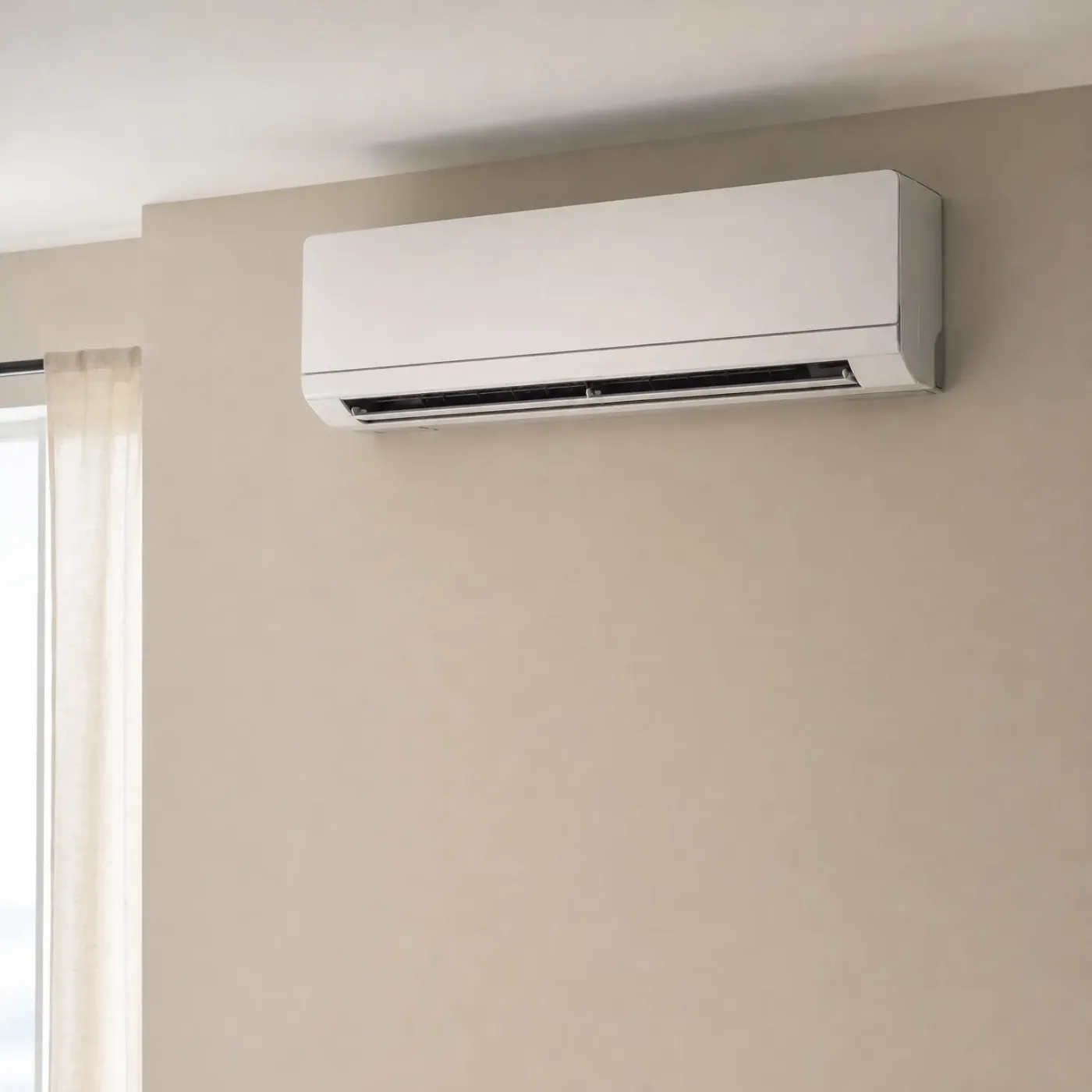
Clean coil, clear line, no drip. In heating mode, the indoor unit should sit dry on the wall with nothing collecting underneath it, even running all day in a New Jersey cold snap.
Cold weather is here and the floor under your indoor unit is wet again. It's a strange thing to see in January, when you'd expect any water problem to show up in July. You're not running the AC, so it doesn't make sense that water is showing up now, and you want to know if this is something minor or a sign the unit needs attention before it gets worse.
A mini split in heat mode runs its outdoor coil cold enough that frost forms on it, same as any heat pump working through a New Jersey winter. The system defrosts itself on a timer, and that ice turns to water. If the drain pan or the condensate line is blocked, cracked, or frozen itself, that water has nowhere to go but back toward the indoor unit or down through the wall sleeve. A clogged line can also mean the drain was never pitched right to begin with. Either way, the leak is a sign something in the drain path needs a look before the next defrost cycle sends more water where it shouldn't go.
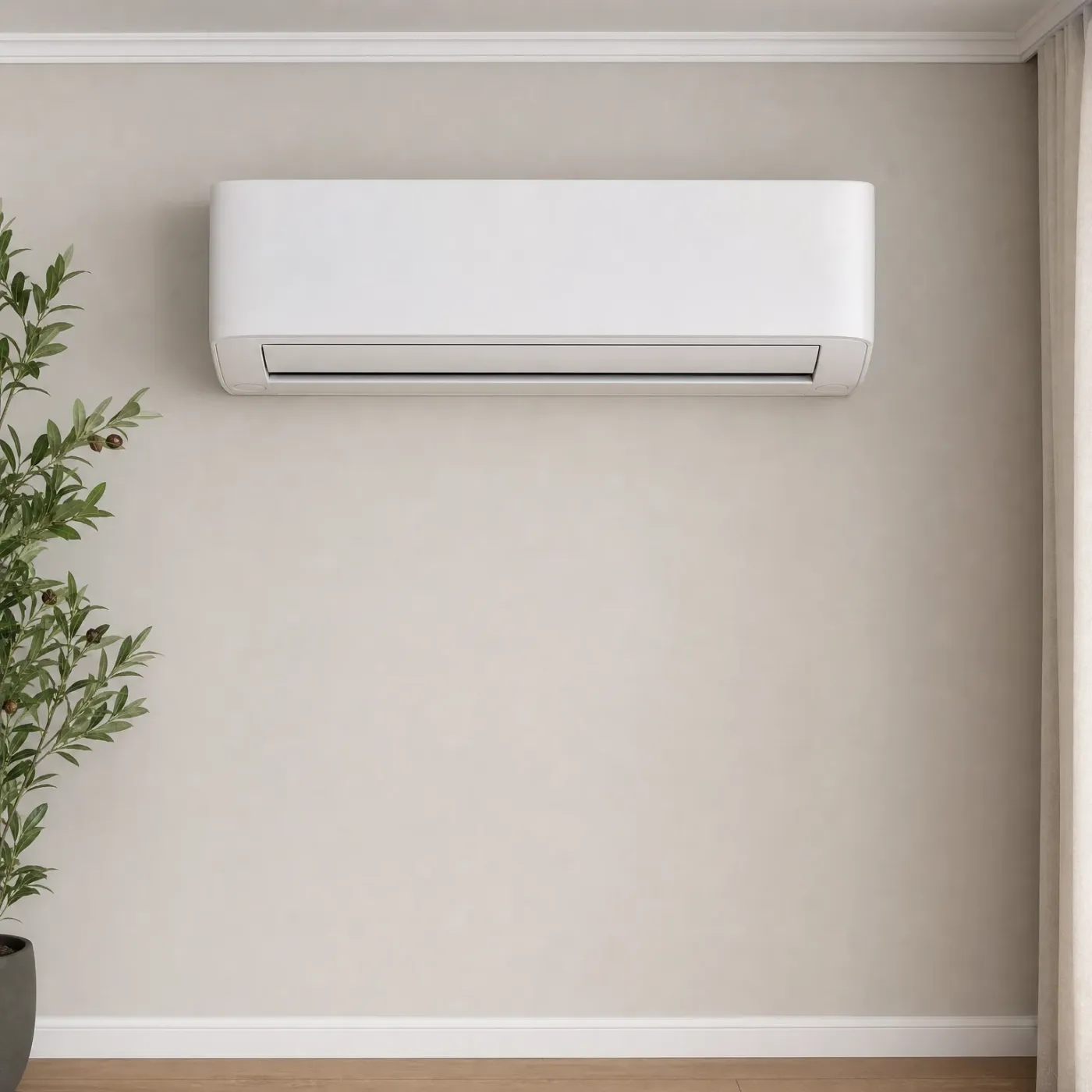
Clean coil, clear line, no drip. In heating mode, the indoor unit should sit dry on the wall with nothing collecting underneath it, even running all day in a New Jersey cold snap.
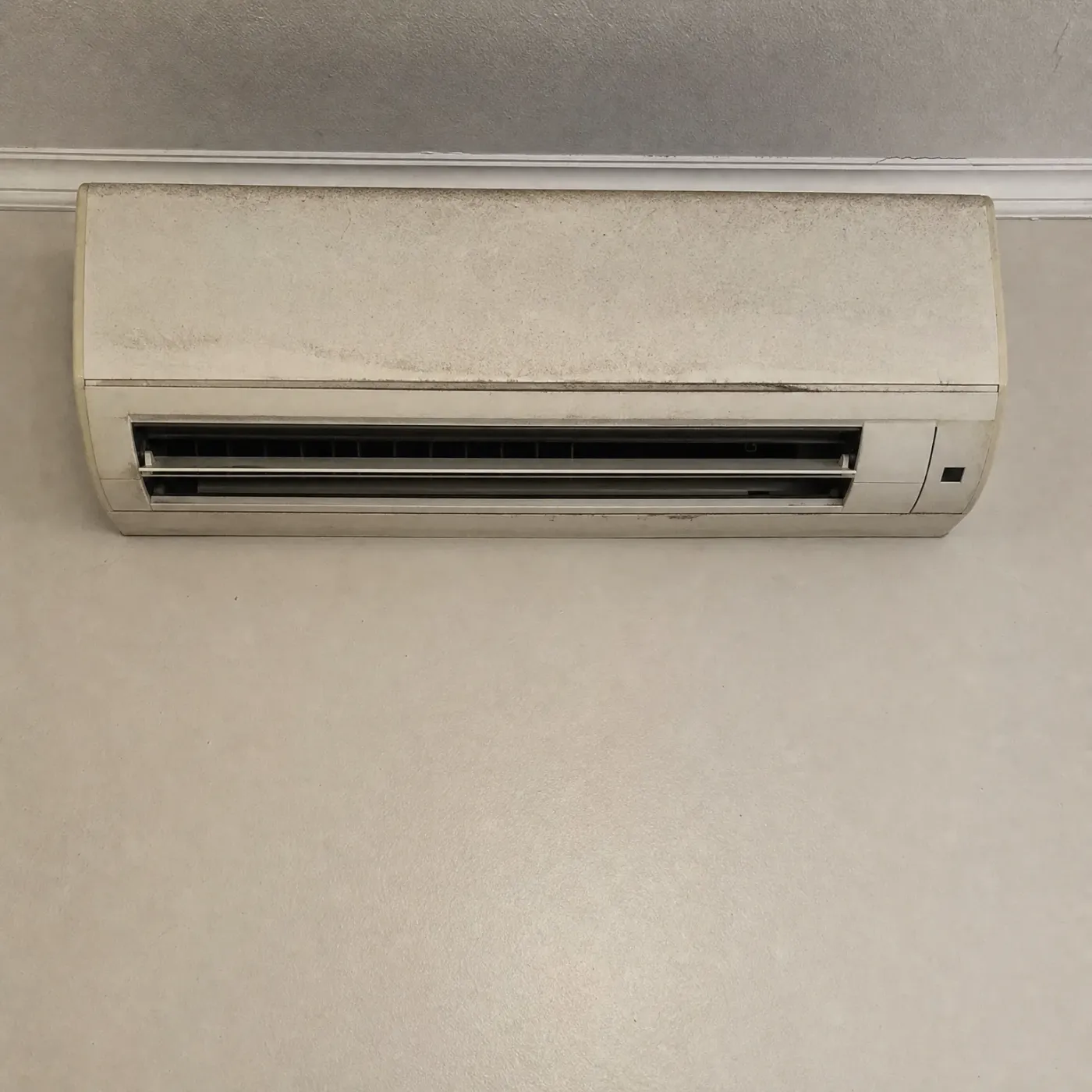
Dust and grime on the coil and vents block normal airflow. Condensate can back up instead of running out through the line, and that's what ends up on your floor.
Look under the indoor unit. A puddle, a water stain spreading across the floor, a damp patch on the wall below it. You might hear a faster drip than usual, or notice the unit icing up on the coil even though it's heating the room fine. Some homeowners catch a musty smell first, before they ever see water. If this sits for weeks, the water can warp the floor underneath or stain the wall, and a coil that keeps freezing and thawing is working harder than it should. None of that fixes itself once the weather turns colder.
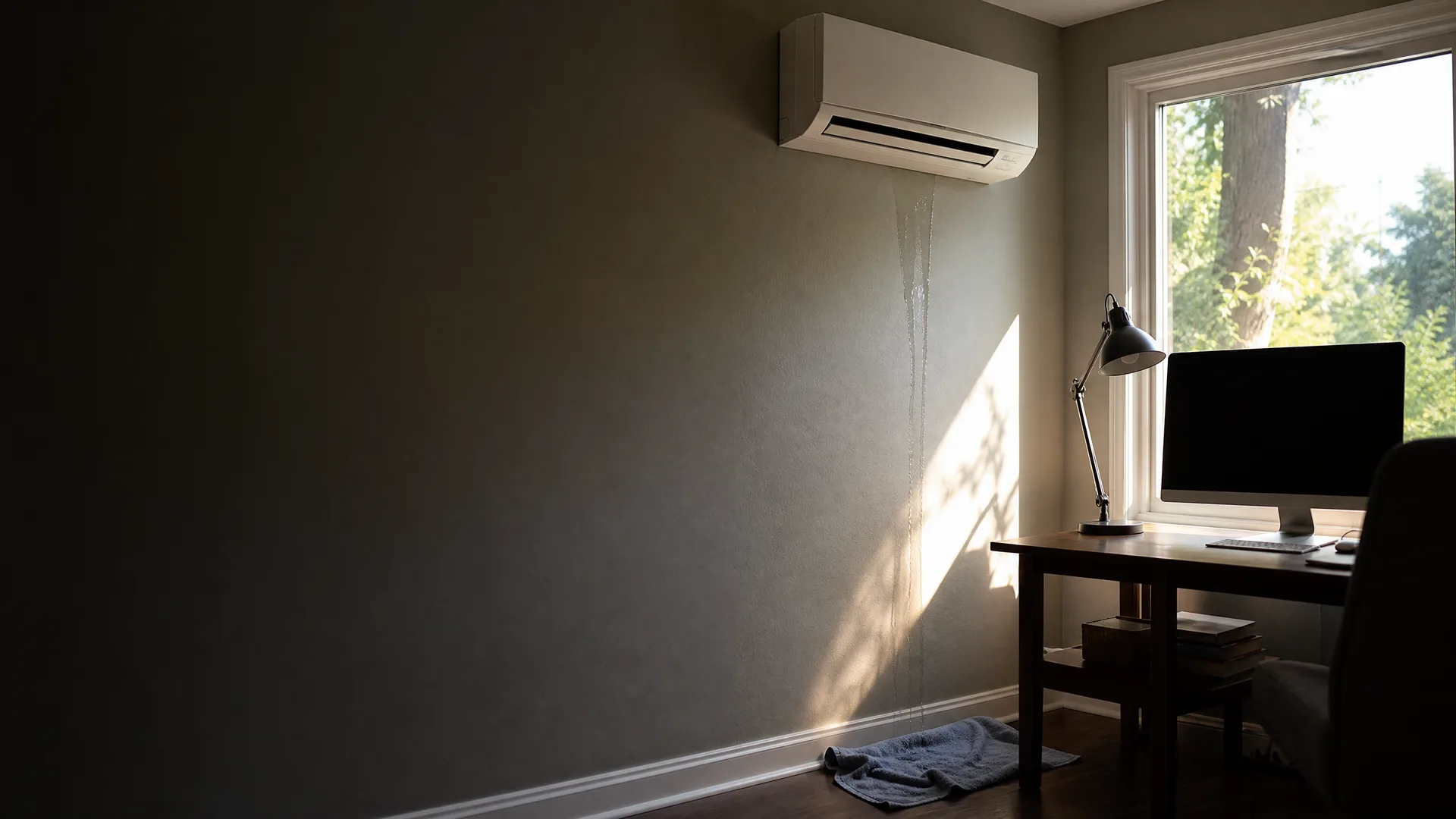
You're at the desk in the home office, working through the afternoon, when you notice the carpet by the wall feels damp under your foot. You look up and see it, a dark streak running down from the indoor unit, pooling at the baseboard. You grab a towel from the hall closet and lay it down, then stand there looking at the unit like it might explain itself. Outside it's a quiet winter afternoon, the kind where the mini split has been running steady since morning to keep this room warm while everyone else in the house is downstairs. You turn the thermostat down a few degrees, more out of instinct than anything, and go back to your desk, checking the towel every so often to see how fast it's soaking through.




A mini split that leaks in January usually comes down to a clogged drain line, a dirty coil, or a line set that's lost its insulation somewhere behind the wall. Figuring out which one means getting hands on the unit, pulling the cover, running a line test, and most homeowners in New Jersey don't have the gear or the time for that during a cold snap. A contractor who works on these systems all year, through muggy summers and hard winters, has seen this exact leak before and knows where to look first. Get matched with one who's local to you and licensed, and the request goes to that contractor alone, not out to a handful of companies hoping one calls back. That matters when water's already pooling on your floor and you want someone who knows this equipment, not a stranger guessing at it over the phone.
A mini split in heating mode still pulls moisture out of the air during its defrost cycles, and that water has to go somewhere. The outdoor unit frosts over in a New Jersey cold snap, and every time it defrosts, the condensate runs down into the same drain line the indoor unit uses. If that line is already slow from algae or buildup, winter adds more water to a path that was already struggling to carry it in July.
The line set running between the indoor and outdoor units is wrapped in insulation to keep condensation from forming on the copper. Once that insulation splits, sags, or gets chewed through behind the wall, the cold refrigerant line sweats just like a glass of ice water would. That moisture collects where you can't see it, then shows up as a wet patch on the wall or ceiling far from where the actual problem is.
A leaking indoor unit doesn't stop drawing power while it's running that defrost cycle over and over. At 22.48 cents per kilowatt-hour, a mini split stuck fighting ice or a clogged line costs more to run than one draining the way it should, on top of the water damage.
EIA-861 2025 statewide residential average
The towel keeps up with the drip for now, so it's easy to put off. But a line that's clogged with algae doesn't clear itself, and ice on the coil doesn't melt on its own in a New Jersey winter. Each day the water finds a new path, soaking into the subfloor, running inside the wall cavity, staining the ceiling below if the unit sits upstairs. What started as a wipe-down job turns into drywall repair, or a warped floor near the baseboard. The indoor unit keeps running the whole time, pulling power to fight a problem that only gets worse with the cold snaps still ahead.
A contractor who services mini splits all winter knows the handful of things that cause this and checks them in order: the drain line first, then the coil, then the line set insulation if the first two are clean. That's usually enough to find it in one visit. You get a dry unit, a drain line that's actually draining, and a straight answer about whether the fix is a clean-out or something more. One contractor, local to you, who's seen this exact leak in plenty of New Jersey homes this time of year.
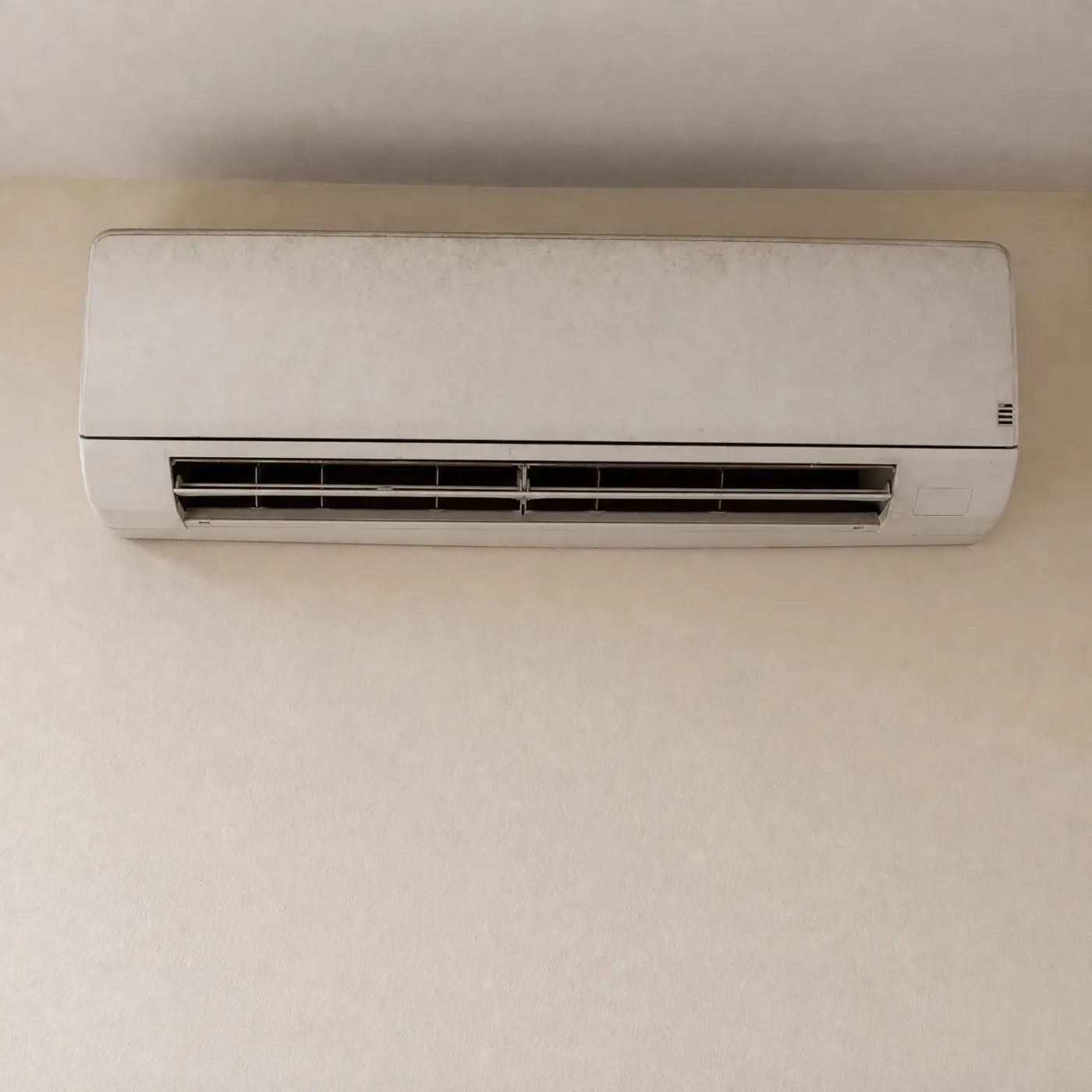
The towel stays on the floor, the drip keeps pace with it, and the drain line stays clogged under the wall. Nothing about that fixes itself in a cold snap.
A local contractor who works on mini splits all winter gets matched to your call, pulls the cover, and finds which part is actually causing the leak.



That dew point number above you in summer, a 63°F average across June, July and August here in New Jersey, isn't just a summer problem. It's why the coil inside your indoor unit works so hard pulling moisture out of the air all season, and why algae and buildup collect in the drain line in the first place. By the time winter comes and that same line has to carry away condensate from the defrost cycle, whatever got left behind in July is still sitting there. A line that drains slow in summer heat is already halfway to clogged when the cold snap hits. Source: NOAA climate normals.
NASA POWER T2MDEW county cells weighted by homes
A mini split leaking water in a New Jersey winter almost always comes down to a clogged drain line, a dirty coil, or ice built up from the defrost cycle, and none of those clear up on their own while the cold snap is still on. Someone who services mini splits all winter in this state has seen this exact drip before and knows which of the three it usually is before the cover even comes off. Getting matched means one local, licensed contractor looks at your unit, not a handful of companies competing for the callback. You know the puddle is there and you know it's not going away by itself. The rest is getting the right person on the wall unit before the floor underneath it takes more damage than a towel can handle.

Only one pro gets your request, so you hear from one company.
No charge to send it. You decide if you hire them.