What defrost mode means on a New Jersey mini split

Step 1 of 3: Equipment

Defrost mode is your mini split pausing heat to melt ice off the outdoor unit. In a New Jersey winter, the outdoor coil can drop below freezing while it pulls heat from the air, and moisture in the air turns to frost on it. Once enough builds up, the system reverses itself for a few minutes, sends warm refrigerant outside instead of in, and runs its fan at the indoor unit may blow cool or stop blowing for that stretch. That's normal. What's not normal is defrosting over and over, running long each time, or the outdoor unit staying iced even after a cycle finishes. That points to a problem with the sensor that tells it when to defrost, low refrigerant, or an outdoor fan that isn't clearing the coil the rest of the time. Left alone, it means less heat getting into the room and a unit working harder than it should on a cold night.

A white wall-mounted mini-split air conditioner unit near the ceiling on a plain light-colored interior wall with open space to the right.

What happens during the cycle

The system reverses itself for a few minutes, sending hot refrigerant to the outdoor coil instead of indoors. That's why the indoor unit's fan shuts off or blows cool air briefly, and why you might see steam or water running off the outdoor unit. It isn't a malfunction. Once the coil is clear, the unit switches back to heating and the fan inside comes back on warm.

A white wall-mounted mini-split air conditioner unit installed near the ceiling on a plain beige interior wall, with a light curtain at the right edge.

Why New Jersey winters trigger it

Frost forms fastest when the air outside is cold and damp at the same time, which describes a lot of New Jersey days from December through February. A unit working through a stretch of 30s and 40s with rain or snow around can cycle into defrost several times in an afternoon. Each cycle pulls on the compressor and uses power, which matters here given what electricity costs.

Why does my mini split blow cold air for a few minutes in winter?

You're sitting near the indoor unit on a cold night and the air coming out turns cool, maybe for three or four minutes, then warms back up. It feels wrong, like the system gave up on heating right when you need it most. With electric rates in New Jersey as high as they are, you want to know this is normal and not a sign the unit is failing or wasting your money.

That cold air is defrost mode working, not the system failing

The compressor hasn't stopped. It's running the cycle in reverse to clear frost off the outdoor coil, and for those few minutes the indoor coil is cold instead of hot, so the air blowing into your room feels cool. Most units shut the indoor fan off during this so you don't feel it at all. If yours doesn't, that's a setting difference between brands, not a malfunction. Once the frost is gone, usually in under ten minutes, it switches back and the air turns warm again. If it happens constantly, runs long, or the air never warms back up after, that points to a real problem with the system, not normal defrost behavior.

A white wall-mounted mini-split air conditioner installed near the ceiling on a plain beige interior wall.

Running a normal defrost

The grille stays clean and the cycle is short. Heat pauses for a few minutes, the coil clears, and warm air comes back without you doing anything. The casing stays the color it left the factory, and nothing drips where it shouldn't. This is what defrost looks like when the unit is keeping up.


A dusty, discolored wall-mounted mini-split air conditioner unit near the ceiling of a plain beige interior wall.

A unit losing the fight

The casing has gone gray with dust and years of frost cycles, and that buildup holds heat against the plastic and the coil underneath. A unit working this hard to defrost itself may be running longer cycles, or more of them, than it used to. That wear doesn't reverse on its own.

Is your mini split stuck in defrost, blowing cold for too long?

A normal defrost runs a few minutes and the heat comes back on its own. If yours is going on fifteen minutes, or it's happened three times tonight, something is keeping the outdoor unit from clearing itself. Look at the outdoor coil. Instead of a light frost, you'll see thick ice, maybe built up over the fins or crusted along the bottom where the unit should be draining water. If that water has nowhere to go because the drain line is blocked or frozen, it backs up and can freeze into a solid sheet around the base of the unit. Left alone through a cold stretch, that ice can stress the fan motor and the coil itself, and the house keeps losing heat it's paying for.

A white wall-mounted mini-split air conditioner installed high on a beige interior wall near the ceiling molding, with a light curtain and curtain rod at the left edge.

This is what a defrost cycle should leave behind

The casing stays white. The louvers stay clean. A few minutes of cool air, then warm air returns and you forget it happened. Nothing on the wall or ceiling near it changes color.

A wall-mounted mini-split air conditioner indoor unit with a discolored cream plastic casing and dusty outlet vanes, installed high on a plain light-colored interior wall near the ceiling.

This is what a struggling unit looks like

Yellowed casing, dust built up along the vents, years of wear showing on the plastic. A unit that looks like this has likely been running defrost cycles longer and more often than it should, and the strain shows on the outside, not just in your heating bill.

A smiling man in a dark navy sweater sits on a light sofa in a living room, with a glass bowl of popcorn on a wooden coffee table and bookshelves behind him.
A smiling man in a dark green sweater sits on a tan leather sofa in a dimly lit living room, with a bowl of popcorn in the foreground and a kitchen area blurred behind him.
A smiling middle-aged man in a dark shirt sits on a gray sofa in a living room, with a bowl of popcorn on a side table and shelves, a window and kitchen area behind him.
A smiling bearded man in a dark gray t-shirt sits on a gray couch in a living room, with a large glass bowl of popcorn on a wooden table in the foreground.
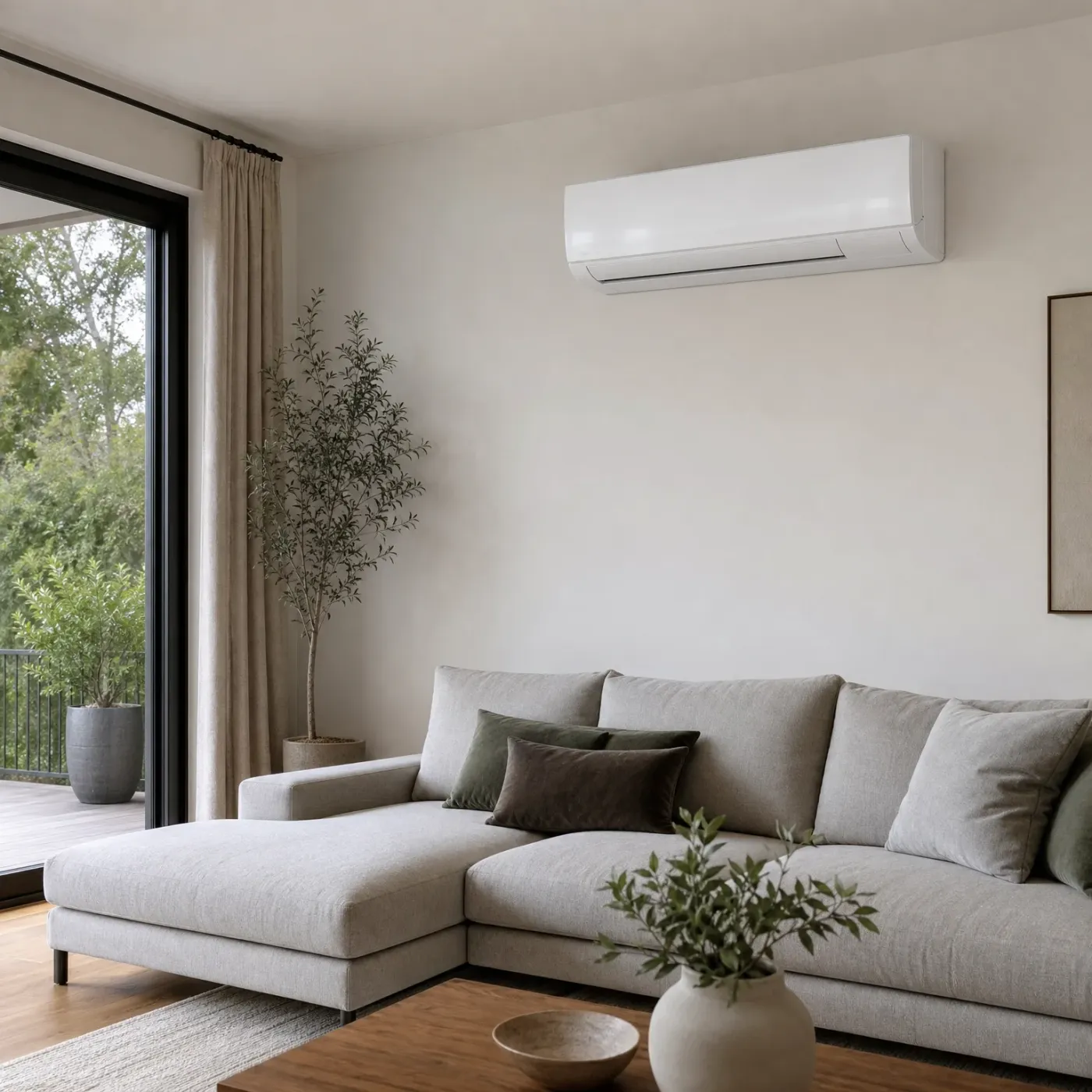
Living room with a grey sectional sofa, wall-mounted white mini-split air conditioner above it, a potted tree beside sliding glass doors with beige curtains, and a wooden coffee table with a vase of foliage in the foreground.

Hand off the mini split problem

Describe what your mini split is doing once, in one form.

Get the mini split repair search off your mind today.

Send it today

Asking costs nothing, and the choice to hire stays yours.

A white wall-mounted mini-split air conditioner unit installed high on a light gray interior wall near the ceiling, with a white-framed window and green foliage visible at the left edge.
A clean unit defrosts and gets back to heating without any sign on the wall or the casing that it happened.
A dusty white wall-mounted mini-split air conditioner installed high on a beige interior wall below a molded ceiling trim.
Dust packed into the vents and a filter left in place can keep a defrost cycle from catching up to the ice.

A sensor on the outdoor coil is what starts defrost, not a guess or a fixed clock alone. Once that sensor reads cold enough for frost to have built up, the system switches over. Some units also run a background timer, so a defrost cycle can kick in on a schedule even when the coil isn't heavily iced. The compressor doesn't shut off for any of this. It's a change in pressure that sends the refrigerant backward through the system, and that's what carries heat out to the coil instead of into your house for those few minutes. The outdoor fan stops turning during this, which keeps cold air from being pulled across the coil while it melts. All that melted frost has to go somewhere, and it drains out through the base pan and a short hose, which is why you might find water pooling under the outdoor unit after a cycle. Once the coil sensor reads clear again, the system switches back to heating by itself. Nothing on your thermostat or the indoor unit needs to be touched.

How the outdoor unit decides

  • The outdoor unit's sensors track the coil's temperature and switch the system into defrost once it reads cold enough for frost to have formed.
  • A short timer also runs in the background, so some units defrost on a schedule even if the coil hasn't iced over much yet.
  • The compressor keeps running during defrost, since it's the pressure change that reverses the refrigerant flow, not a shutdown of the whole system.
  • Water from the melted frost drains out through the base pan and a small hose, which is why you may see it pooling under the outdoor unit.
  • A fan inside the outdoor unit usually stops turning during defrost, so no cold air gets pulled across the melting coil and back toward your house.
  • The system switches back to heating on its own once the coil sensor reads clear, with no input needed from you.
A woman in a dark gray sweater reclines on a light sofa with eyes closed and a slight smile, under a textured gray blanket with an open book resting on her lap, with a lit table lamp and plant in the background.
A smiling bearded man in a navy crewneck sweater sits at a dinner table with a glass of red wine, plates and glasses in the foreground, in a dimly lit room with a lamp and framed picture behind him.

Leave it alone and let it finish on its own. A normal defrost runs a few minutes, the heat comes back, and nothing about the unit or the wall near it changes.

Call about it if the cold air keeps going, or it's happening every hour. That's not the coil clearing itself anymore, and gas heat shouldn't have to carry the house until someone looks at it.

A dusty white wall-mounted mini-split air conditioner indoor unit installed high on a beige interior wall below a white ceiling and trim.
Before you get your mini split repair
A white wall-mounted mini-split air conditioner installed near the ceiling on a light-colored interior wall, with a window and green foliage visible at the left edge.
After you get your mini split repair

Power costs 22.48 cents per kilowatt-hour statewide

At 22.48 cents a kilowatt-hour, a mini split stuck running long or frequent defrost cycles all winter shows up fast on your bill. A unit clearing frost in a few minutes and getting back to heating costs you a lot less than one straining against ice all night.

EIA-861 2025 statewide residential average

  1. The outdoor coil senses its own temperature dropping toward freezing.

  2. A timer or sensor reading tells the system frost has likely formed.

  3. The reversing valve switches, sending hot refrigerant outdoors instead of in.

  4. The outdoor fan stops so heat isn't pulled off the coil.

Normal Defrost or Something Wrong

Call a contractor

  • If the cold air blows for fifteen minutes or more instead of clearing in a few, the outdoor coil is likely iced over badly enough that the system can't catch up on its own.
  • Frost or ice visible on the outdoor unit's cabinet or lines after the cycle ends means the defrost didn't finish the job.
  • A unit that defrosts every hour instead of every hour or more is spending more time clearing ice than it is heating your house.
  • Water pooling under the outdoor unit or staining the wall or ceiling near the indoor unit points to drainage or a refrigerant problem, not a normal cycle.
  • With power this expensive in New Jersey, a mini split stuck fighting ice all night adds up fast, and that cost keeps repeating until someone fixes the cause.

Wait it out

  • A defrost that runs a few minutes and ends with warm air coming back on its own is the system doing exactly what it's supposed to do.
  • No frost or ice left on the outdoor unit once the cycle finishes means the coil cleared completely.
  • Cool air from the indoor unit for three or four minutes, once or twice a night, is normal in a New Jersey winter and not a sign of anything wrong.
  • Nothing changes color on the wall or ceiling near either unit, and no water shows up where it shouldn't.
  • If the pattern looks the same tonight as it did last week, the system is managing frost the way it was built to.
A single-story house with gray vinyl siding, dark shingled gable roofs, and white-trimmed windows, set behind a partly dry green lawn under a clear blue sky.

Summer here isn't just hot, it's heavy. Averaged across homes in New Jersey, the dew point runs 63°F through June, July and August, per NOAA. That's the kind of air that sits on your skin. Your mini split isn't just cooling it, it's wringing water out of it, and that moisture has to go somewhere. In winter, that same coil pulling moisture from humid summer air is the one icing over on cold nights. A unit that ran hard all summer pulling water out of sticky air goes into winter already worked, and defrost cycles lean on it harder.

NASA POWER T2MDEW county cells weighted by homes

A closed silver laptop and a ceramic mug of dark coffee sit on a wooden table in front of two chair backs, with a kitchen counter, tiled backsplash, wooden cutting boards, a vase of greenery and a potted plant by a window behind.

Defrost is the system clearing ice so it can keep heating

A mini split that defrosts the way it should is doing its job. A few minutes of cool air, the outdoor coil clears, and the heat comes back without you touching the thermostat. If yours is running long defrost cycles, icing up again within the hour, or leaving water or frost somewhere it shouldn't, that's the system telling you it can't keep up with the cold on its own anymore.

Once you send the form, you're done with the parts of this that eat an evening: searching for someone who actually works on mini splits, calling a few places to see who answers, explaining the same thing about the cold air and the ice again to each one, then sitting with quotes trying to compare them against each other. A licensed contractor in your part of New Jersey takes it from there.

A gray upholstered sofa with a matching cushion sits beside a potted plant and a wooden table holding a small green plant in a stone pot, near a curtained window.
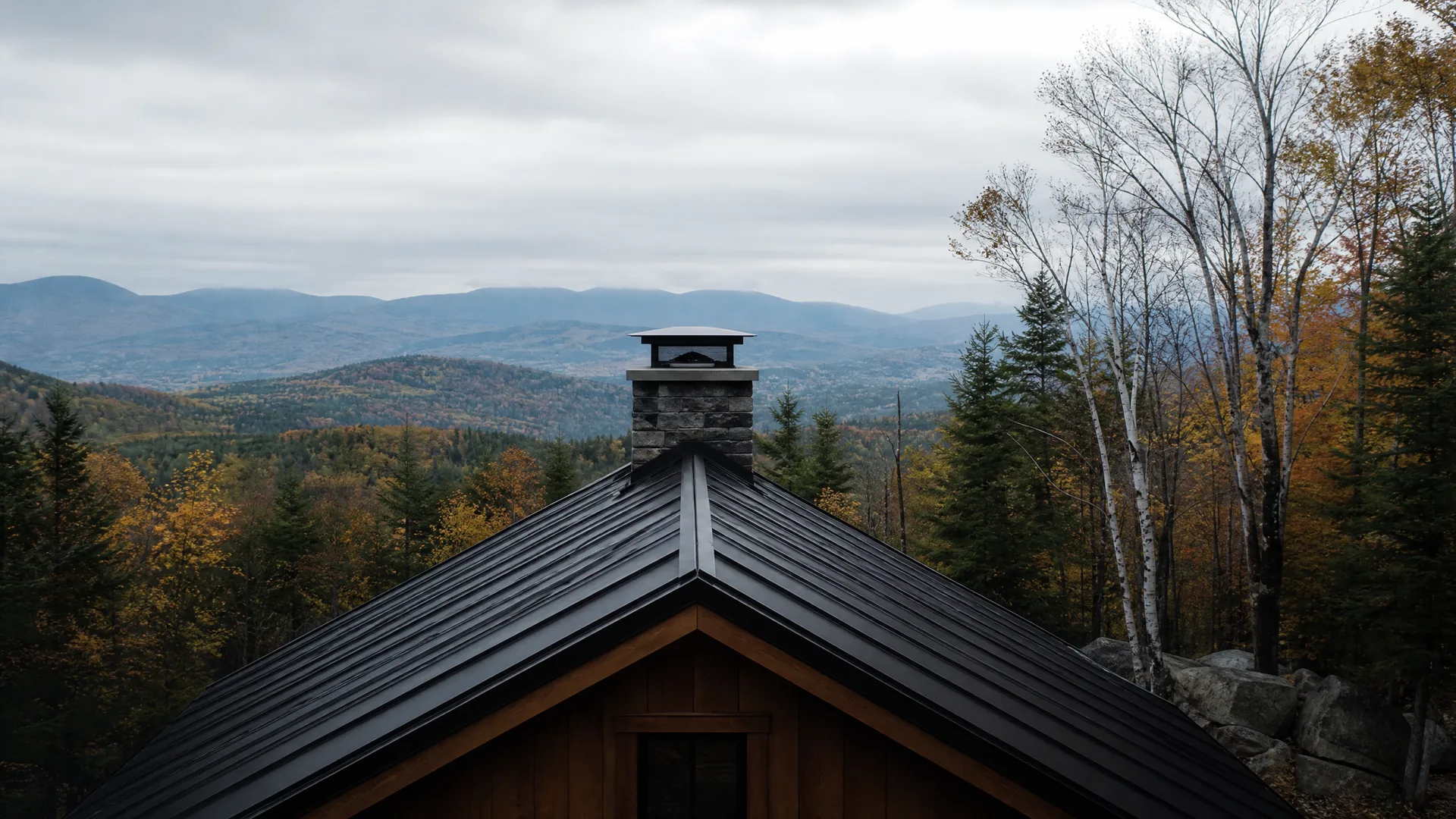
Elevated view over a dark standing-seam metal roof with a stone chimney and wood-sided gable, surrounded by conifers and autumn-colored trees with forested hills under an overcast sky.

Hand off the search today

Skip calling around

No fee to send it, and nothing to sign.

A mini split stuck in long defrost cycles all winter can mean higher bills from a gas furnace picking up the slack, or a cold house while you wait it out. Send the request and skip calling contractors one by one to find someone free before the next cold snap.