Tell us about the job
Takes about a minute. No obligation.
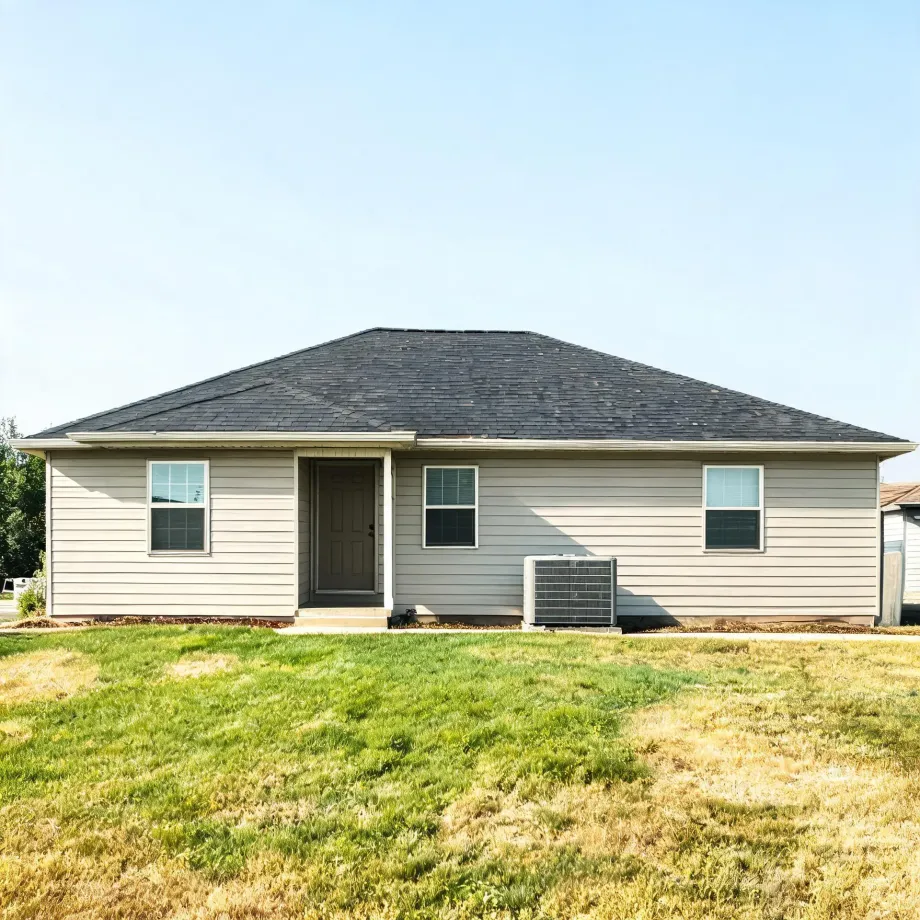
Sizing a mini-split for a Morris County home is not a calculation a contractor runs once and forgets. Homes in Morris County, NJ run cooling about two months a year, from July through August. The compressor cycles only across those weeks, then sits idle the rest of the year, and a unit that is oversized for the space short-cycles through what little demand there is, stressing the compressor at startup rather than letting it settle into a steady run. A contractor quoting an install here has to match capacity to the actual load the house presents, because an ill-fitted unit will not log enough hours of light use to self-correct the way it might in a longer season. The coil and refrigerant charge matter too. An installer who sets the charge wrong in a short season leaves the homeowner with a problem that won't surface until summer is already underway.
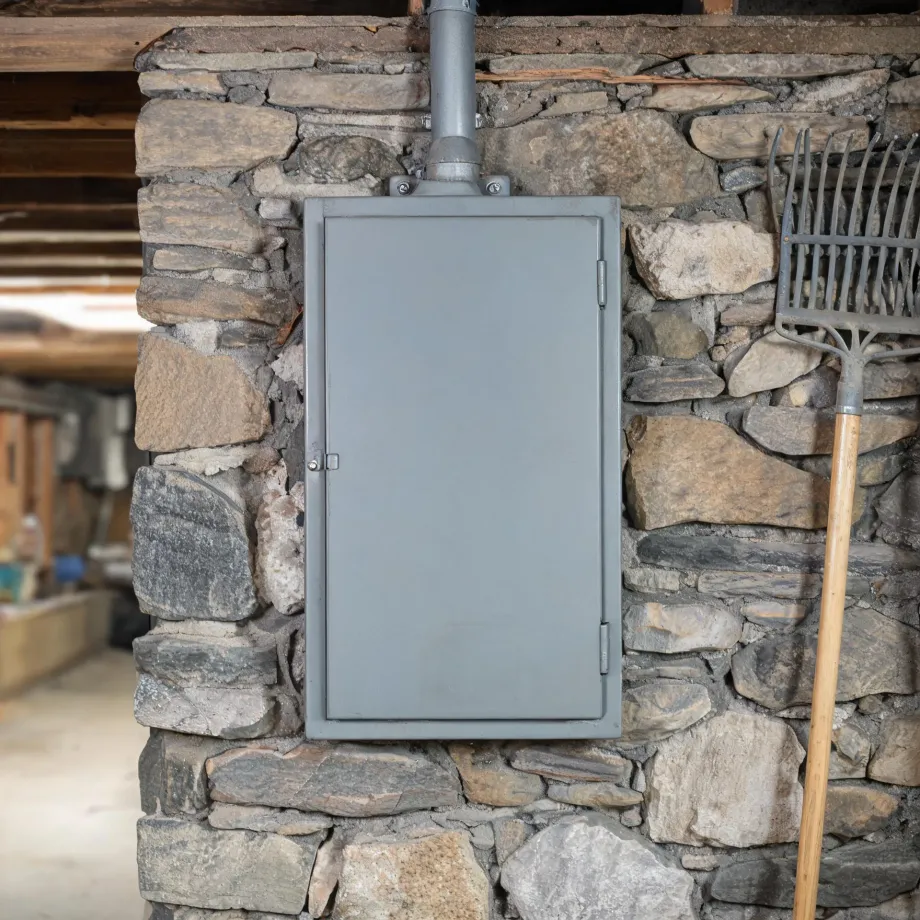
The service panel in a Morris County house is where a mini-split installation often stops for a second look. Half the homes in Morris County, New Jersey were built in 1971 or earlier (2020-2024 ACS 5-year). Electrical infrastructure from that era was sized around the loads of its time, and what a modern multi-zone mini-split draws can land close to or past what the original panel was built to handle. A contractor quoting the job measures that before anything else. The head placement and line-set routing get worked out once the electrical answer is settled.
What a Mini-split Installation Puts in Your Home
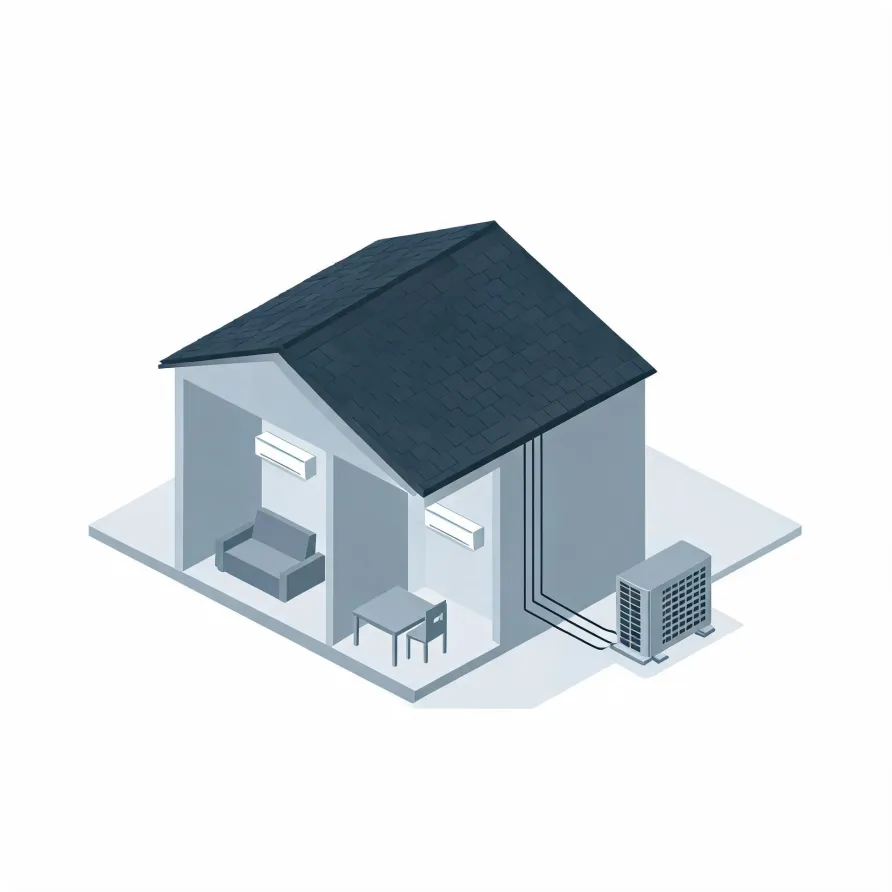
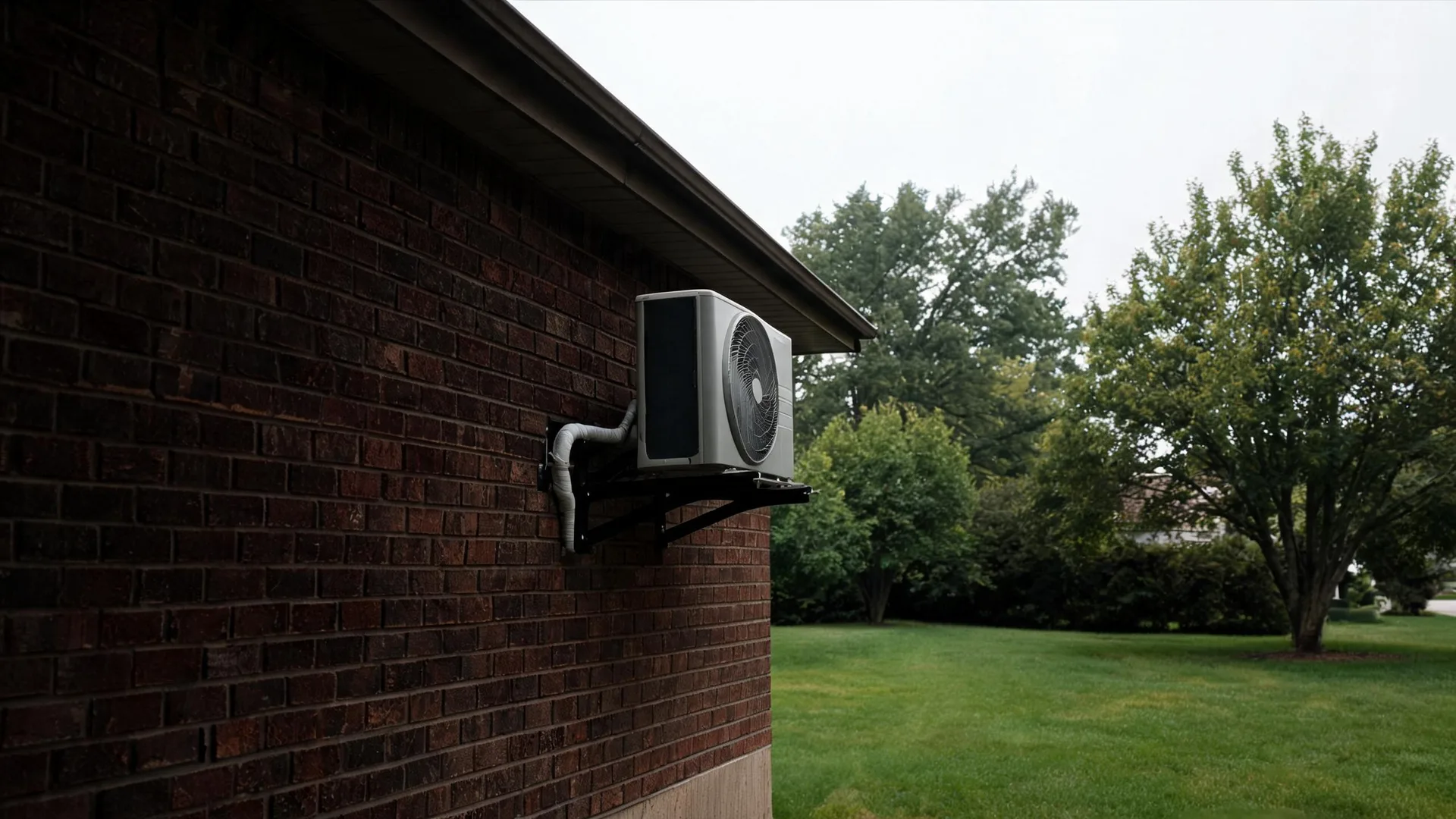
The indoor air handler mounts high on a wall inside the room being served, which is where most homeowners notice the system first. It draws room air across its coil and pushes conditioned air back out. The outdoor condenser unit sits against an exterior wall or on a pad outside, housing the compressor and the components that shed heat to the outside air.
A conduit bundle connects the two units, running through a small penetration in the wall and carrying the refrigerant lines, a condensate drain line, and the power and communication wiring between the indoor and outdoor units. Some installations add a multi-zone setup, which pairs a single outdoor unit with several indoor handlers placed in different rooms.
The drawing beside this text shows the general layout of a mini-split system, and a licensed contractor determines exactly how each piece applies to your home's specific walls, rooms, and exterior.
Get matched in Morris CountyMorris County, by the numbers
248 severe weather events were recorded in Morris County, New Jersey between 2015 and 2024.
NOAA National Centers for Environmental Information, Storm Events Database, bulk CSV export, events 2015-01-01 through 2024-12-31.Half the homes in Morris County, New Jersey were built in 1971 or earlier (2020-2024 ACS 5-year).
U.S. Census Bureau, 2020-2024 American Community Survey 5-Year EstimatesMorris County, New Jersey holds 199,506 housing units (2020-2024 ACS 5-year).
U.S. Census Bureau, 2020-2024 American Community Survey 5-Year EstimatesOwners occupy 74.3% of the occupied homes in Morris County, New Jersey (2020-2024 ACS 5-year).
U.S. Census Bureau, 2020-2024 American Community Survey 5-Year EstimatesCodes & Standards for Mini-Split Installation in Morris County, New Jersey2 sourced rules and standards
Licensing and Legal Requirements in Morris County, New Jersey
In New Jersey the HVACR licence is the State's alone: a municipality, local board of health or any other agency may not issue or renew a Master HVACR contractor's licence.
New Jersey requires a Master HVACR contractor licence: no person or business may engage in the business of HVACR contracting, or advertise as a Master HVACR contractor, without being authorised under the State HVACR Contracting License Law.
Severe Weather Events in Morris County
Weather extremes put a direct load on heating and cooling equipment, and that load shapes what a system needs to handle over its life. A mini-split installation in Morris County is sized and specified against local conditions, not a national average.
248 severe weather events, 2015–2024. Source: NOAA National Centers for Environmental Information, Storm Events Database.