Tell us about the job
Takes about a minute. No obligation.

Sizing a mini-split for this house starts with what the compressor is actually asked to do here. Homes in Gloucester County, NJ run cooling about three months a year, from June through August. The compressor sits dormant through fall, winter, and spring, and refrigerant seals, contactors, and drainage lines can degrade quietly during those idle months. A contractor doing the install will pressure-test the system and verify the line set before commissioning, because a fault that goes unnoticed until late May means the call comes in when demand is highest and the house is already hot. Getting the load calculation right at installation matters more than it might seem for a short season: an undersized unit will short-cycle through every afternoon it runs.
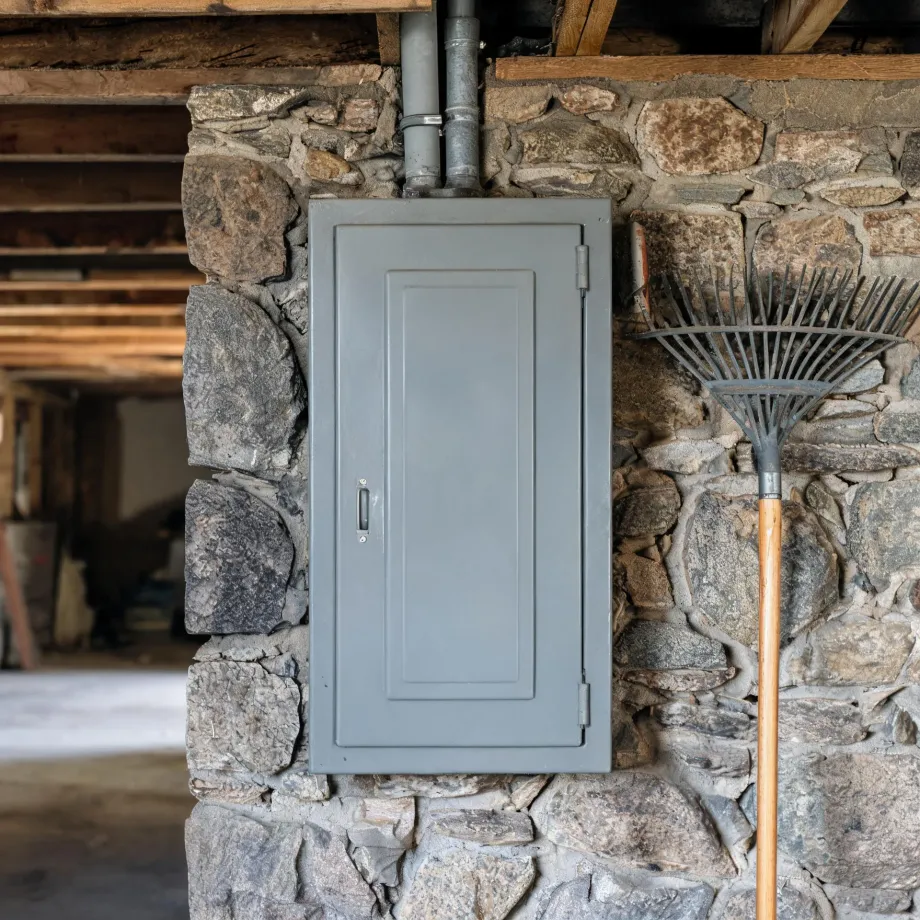
Older electrical panels are the first thing a contractor checks when quoting a mini-split installation here, and for good reason. Half the homes in Gloucester County, New Jersey were built in 1980 or earlier (2020-2024 ACS 5-year). A house built to that standard was wired for a different load. Mini-split systems, particularly multi-zone setups, draw more than that wiring was planned around, and if the service panel cannot carry it, the panel gets upgraded before the equipment goes in. That is a separate line on the quote, and homeowners who do not know to ask about it are sometimes surprised when it appears.
What a Mini-split Installation Puts in Your Home
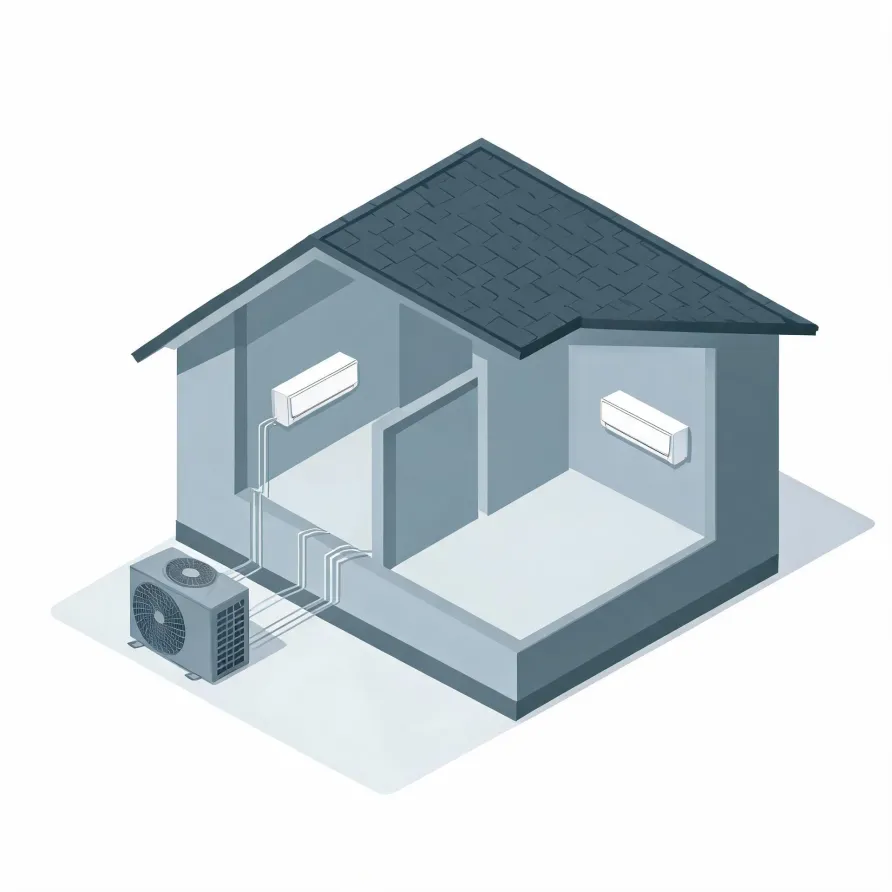
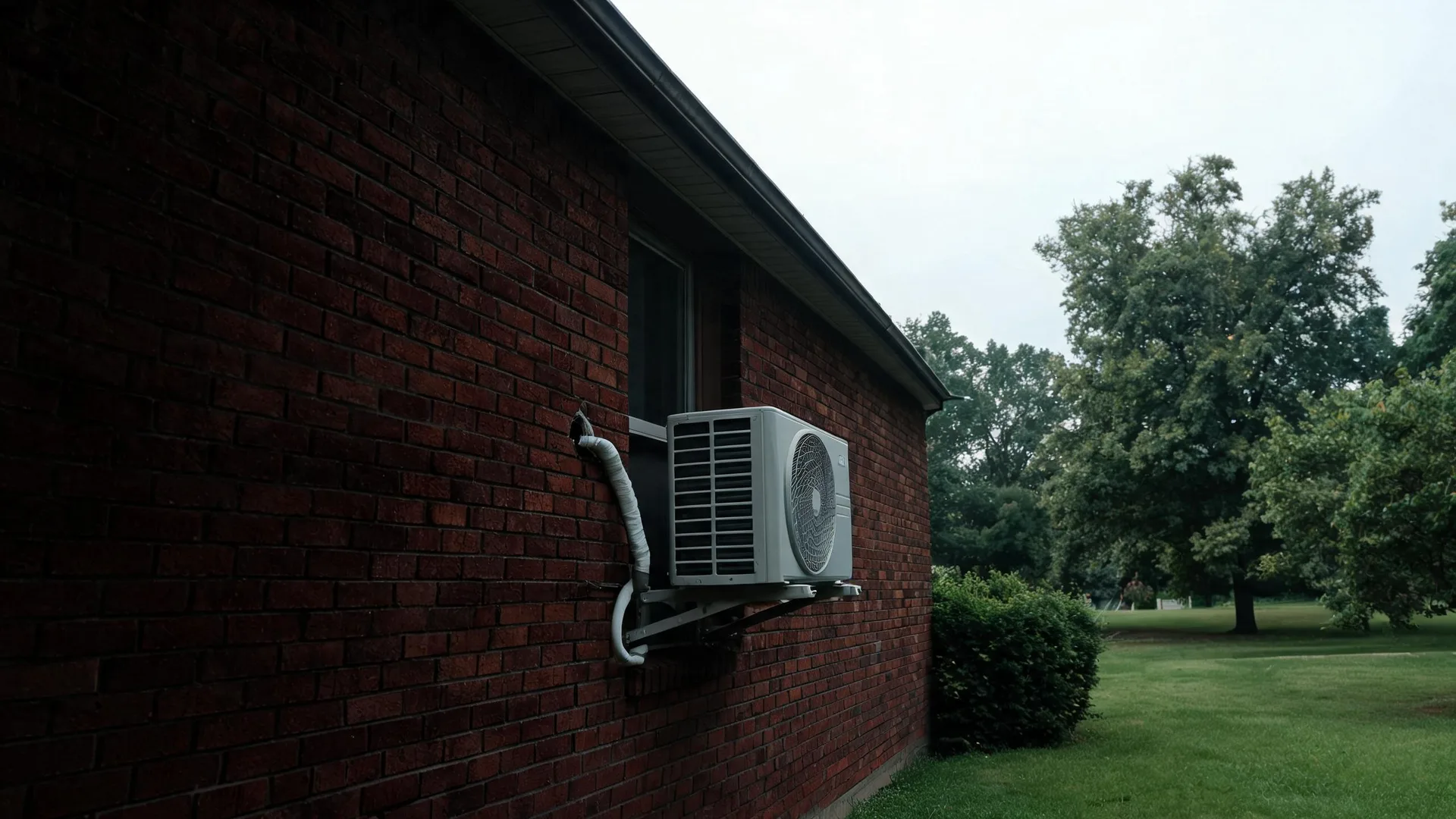
The indoor air handler is the piece you will see every day. It mounts high on a wall inside the room being served and pushes conditioned air directly into that space. The outdoor unit sits outside the house, usually on a pad or bracket, and is where the compressor and condenser coil do their work.
A conduit bundle runs through a small hole in the wall to connect the two units. It carries the refrigerant lines, a condensate drain line, and the power and communication wiring that lets the indoor and outdoor units work as one system. A wall-mounted thermostat or remote control goes in alongside to let the occupant set temperatures.
The drawing beside this text shows the general layout of a mini-split system, and a licensed contractor will determine exactly how each piece is positioned and routed in your home.
Get matched in Gloucester CountyGloucester County, by the numbers
171 severe weather events were recorded in Gloucester County, New Jersey between 2015 and 2024.
NOAA National Centers for Environmental Information, Storm Events Database, bulk CSV export, events 2015-01-01 through 2024-12-31.Half the homes in Gloucester County, New Jersey were built in 1980 or earlier (2020-2024 ACS 5-year).
U.S. Census Bureau, 2020-2024 American Community Survey 5-Year EstimatesGloucester County, New Jersey holds 117,915 housing units (2020-2024 ACS 5-year).
U.S. Census Bureau, 2020-2024 American Community Survey 5-Year EstimatesOwners occupy 80.1% of the occupied homes in Gloucester County, New Jersey (2020-2024 ACS 5-year).
U.S. Census Bureau, 2020-2024 American Community Survey 5-Year EstimatesInstallation Rules & Codes for Mini-Split Work in Gloucester County, New Jersey2 sourced standards and regulations
Licensing and Legal Requirements in Gloucester County, New Jersey
In New Jersey the HVACR licence is the State's alone: a municipality, local board of health or any other agency may not issue or renew a Master HVACR contractor's licence.
New Jersey requires a Master HVACR contractor licence: no person or business may engage in the business of HVACR contracting, or advertise as a Master HVACR contractor, without being authorised under the State HVACR Contracting License Law.
Severe Weather Events in Gloucester County
Heating and cooling equipment in Gloucester County handles whatever the local climate delivers, and local weather shapes how hard that equipment works over its life. A mini-split sized and installed for this area accounts for that load, which is why the record of weather events here is relevant to the installation question.
171 severe weather events, 2015–2024. Source: NOAA National Centers for Environmental Information, Storm Events Database.