















Is a mini split cheaper than baseboard heat in New Jersey

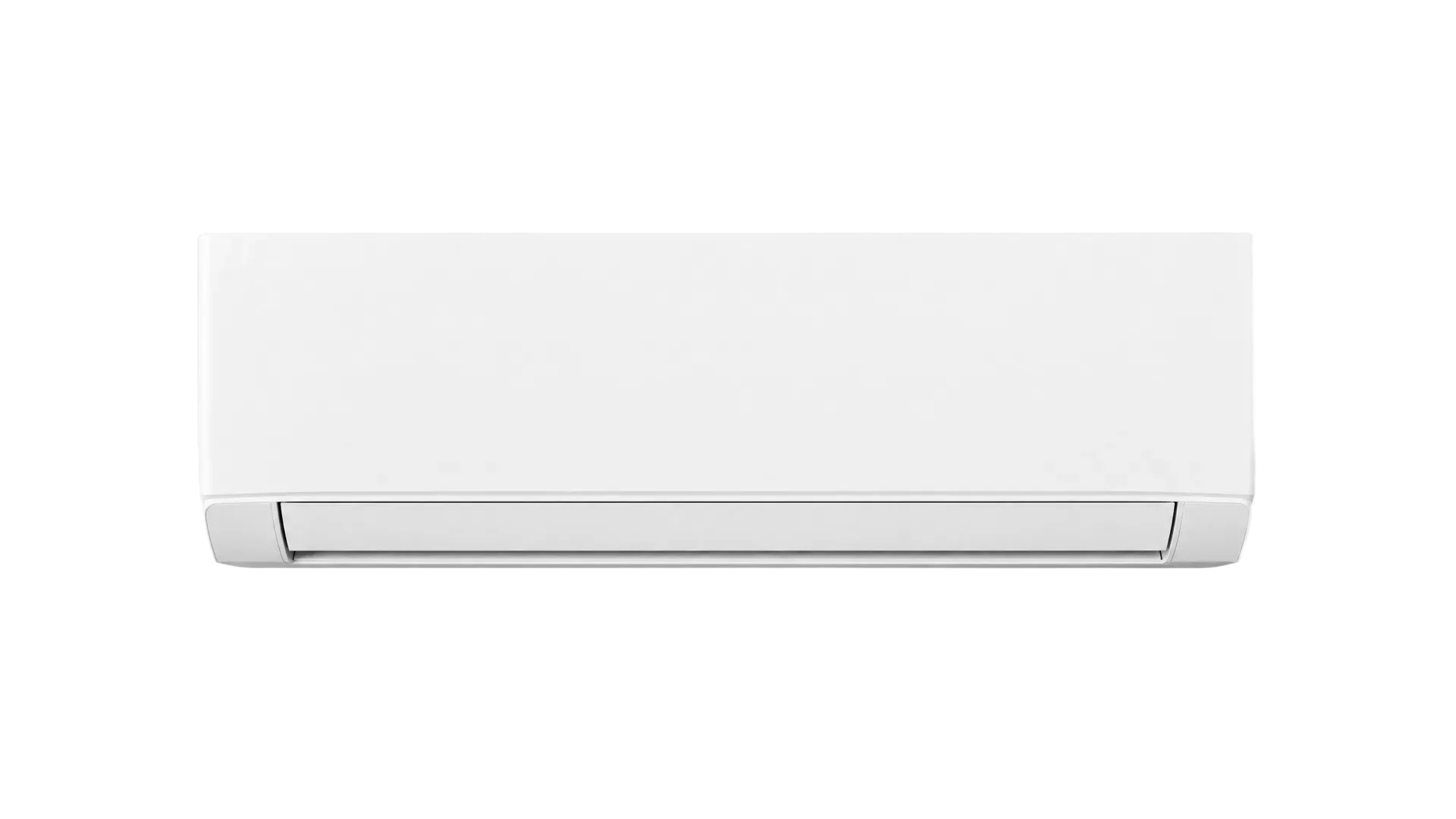
A white wall-mounted mini-split air conditioner indoor unit shown straight-on against a plain light gray background.
Get matched

Is a mini split cheaper to run than baseboard heat in NJ?

Baseboard heat runs on electric resistance, and electric rates in New Jersey are already high. You're probably running the numbers because you want to know if switching makes sense, or if the mini split you just had installed is actually going to show up smaller on your winter bill.

Yes, a mini split costs less to run than electric baseboard heat

Baseboard heat makes heat directly from electricity, so every dollar of power buys you one dollar's worth of heat. A mini split instead moves heat from the air outside into your home, which means it can deliver several times more heat than the electricity it uses would produce on its own. In New Jersey, where electric rates run high, that difference shows up directly on your bill. The gap narrows on the coldest nights, when a mini split has to work harder to pull heat from cold outside air, but it stays well ahead of baseboard heat through most of a New Jersey winter.

A woman with long gray hair wrapped in a checked blanket sits on a sofa by a window with yellow autumn foliage outside, with a lamp, framed picture and plant in the background.
An older woman in a cream knit sweater sits on a sofa by a window, looking out at sunlit trees with yellow and orange autumn leaves, with a bookshelf and lamp behind her.
A woman with gray shoulder-length hair in a dark knit sweater sits on a cushioned seat by a window, looking out at yellow autumn foliage, with a living room, armchair, houseplant and framed picture behind her.
An older woman with gray hair in a bun, wearing a cream knit sweater, sits on a sofa with a gray blanket and looks out a large window toward yellow-green autumn trees, with a lit table lamp and dark armchair behind her.
Single-story house with gray horizontal lap siding, dark shingled gable roof, a small covered front porch with a dark door, and windows, set behind a patchy green and brown lawn under a clear blue sky.

A 63°F summer dew point is what NOAA puts New Jersey at, averaged across June, July and August. That's sticky air, the kind where a window unit struggles and a plain AC runs long. A mini split handles it differently. The same system that heats your home in winter is pulling that moisture out of the air in summer, and the indoor unit will run more often on muggy days to keep up, not because something's wrong but because that's the job. You'll notice it most on the stillest, heaviest days, when the unit seems to never fully shut off. That's normal for a NJ summer, not a sign the system is undersized.

NASA POWER T2MDEW county cells weighted by homes

A wall-mounted mini-split air conditioner indoor unit with visible dust and staining, installed on a beige interior wall below white crown molding.
Before you get your mini split installation
A white wall-mounted mini-split indoor unit high on a beige interior wall, with a potted olive-like tree at right and an armchair and window visible through a doorway at left.
After you get your mini split installation

A baseboard heater pulls straight electric resistance, and your electric bill carries the whole load of keeping that room warm. A mini split moves heat instead of generating it, so it can put out more heat than the electricity going in. You'd notice it first in a January bill, side by side with whatever that same room cost you last winter on baseboard. The room with baseboard is probably also the room that runs the window unit come July, and that's a second bill the mini split folds into one system instead of two. If your house heats with gas and the baseboard is only in one addition or converted space, the gap shows up clearest there, because that's the one part of the house still paying New Jersey's electric rates to make heat the hard way. Leave the baseboard in and that room stays the expensive one in the house, every winter, on its own line.

A white wall-mounted mini-split air conditioner unit installed high on a beige interior wall below white crown molding, with a window and woven shade at the left edge showing green foliage outside.
A mini split that's sized right and gets serviced keeps that output steady, cooling the room without running long against New Jersey's muggy air.
A dusty, stained white wall-mounted mini-split air conditioner indoor unit installed high on a plain off-white interior wall near the ceiling.
A mini split that's clogged or low on refrigerant stops pulling its weight, and baseboard heat starts looking cheap by comparison.

Why is that baseboard room still cold while your electric bill climbs?

You'd notice it in the room itself first. The baseboard heater runs and runs, the floor near it is warm, but the middle of the room stays cool, and the thermostat keeps calling for more. Your electric bill shows it too, a bigger number than the gas heat covering the rest of the house. If the mini split in that same room is dirty or low on refrigerant, you'd see the same pattern there: it runs longer to hit the temperature you set, and the indoor unit might ice up or blow air that isn't as cold or as warm as it used to. Left alone, you end up paying more to stay less comfortable, in the one room the rest of your heat doesn't reach.

A woman in a cream knit sweater sits in an armchair with her eyes closed and a slight smile, beside an open window showing orange autumn foliage, with a mug, books and a lit candle on a small side table.
An older man with gray hair and a beard leans back on a beige sofa with his eyes closed, in a sunlit room with potted plants, a wicker chair and large windows behind him.

A local pro for your mini split installation

Answer a few questions instead of calling shop after shop.

Sending the form costs nothing.

  1. Refrigerant in the outdoor unit absorbs heat from the outside air.

  2. A compressor pressurizes that refrigerant, raising its temperature.

  3. Hot refrigerant travels through the line set to the indoor head.

  4. The indoor coil releases that heat into the room air.

Power costs 22.48 cents per kilowatt-hour statewide

At 22.48 cents per kilowatt-hour, every watt your baseboard pulls shows up on the bill at that rate. A mini split heating the same room draws less power to deliver the same warmth, since it's moving heat rather than making it. That gap only matters more at New Jersey's rates.

EIA-861 2025 statewide residential average

A white wall-mounted mini-split air conditioner unit installed high on a plain beige wall near the ceiling, with empty wall space to the right.

What a baseboard heater is doing

A baseboard heater has a few feet of electric element inside a metal housing, and every bit of warmth it puts out comes from that element drawing current straight off your panel. There's no outdoor unit, no refrigerant, no moving parts to speak of. That simplicity is why they're cheap to buy and easy to install in a single room. It also means there's no way to get more heat out of the circuit than the electricity you put into it.

A white wall-mounted mini-split air conditioner indoor unit on a plain light-colored wall, with a beige curtain at the right edge of the frame.

What a mini split is doing

A mini split has a compressor outside and a head inside, and the refrigerant between them carries heat from one side to the other. In winter, it's pulling warmth out of the outside air, even cold air, and releasing it indoors through the coil. That's the whole reason it can heat for less than a baseboard pulling the same wattage. The same outdoor unit also runs backward come summer, pulling heat out of your home instead of putting it in.

Mini Split or Baseboard for Your Home

Mini split

  • One outdoor unit can run multiple indoor heads, so a two or three room addition doesn't mean a second system.
  • It heats and cools from the same equipment, so you're not paying to maintain a separate AC alongside your heat.
  • Setting the thermostat a couple degrees lower than you would with baseboard still keeps the room comfortable, since it's moving heat rather than burning watts to make it.
  • A clogged filter or a refrigerant leak will drag output down, so the savings depend on keeping it serviced.
  • Installation means running a line set and mounting an outdoor unit, which costs more upfront than adding baseboard ever would.

Baseboard heat

  • There's no outdoor unit and no refrigerant line, so there's nothing to leak and nothing to service outside the element itself.
  • Every watt it draws goes straight to heat, with none of it going toward cooling or moving refrigerant.
  • It only heats, so you're running a window unit or central AC separately once summer's humidity sets in.
  • Adding a room is simple since another baseboard unit just ties into the panel, no outdoor unit required.
  • At New Jersey's electric rates, that direct draw adds up faster over a winter than a mini split heating the same space.
A white wall-mounted mini-split air conditioner on a beige interior wall, with a window at left showing trees and a wooden fence, and dark wood flooring below.

Mini split running right

Set and serviced correctly, the head on your wall puts out steady air without drawing much power, even against New Jersey's humid summers. You get the room cooled or heated at a fraction of what baseboard pulls for the same result, and the unit keeps up without straining.


A white wall-mounted mini-split air conditioner indoor unit with dark louvered vents, installed near the ceiling on a beige wall below white crown molding.

Mini split neglected

A dusty coil or a unit that's gone years without a filter cleaning starts losing capacity. It runs longer to hit the same temperature, pulling more power to get there, and the gap that made it cheaper than baseboard starts closing. At that point baseboard's simplicity starts to look better by comparison.

A man seen from behind raises his hand to wave at a woman standing in the open front doorway of a single-story house with gray shingle siding, white columns and a gabled porch entry.

Where that leaves you

A mini split costs less to run than baseboard heat in a New Jersey home. It moves heat instead of making it from scratch, so it draws less power off your panel for the same warm room, and at New Jersey's electric rates that difference shows up on the bill every month, not just in a slow season. Baseboard will keep pulling full resistance power no matter what you do with it. A mini split only holds that advantage if it's sized for the room and running clean.

That's the part that depends on the install, not the equipment. A unit put in too small for the space, or a line set run wrong, gives up the savings you're counting on. If you're deciding whether to add a mini split or fix one that isn't pulling its weight, you don't have to track down a contractor on your own, explain the house twice, and sort through quotes yourself. Answer a few questions about your place and what you need, and a contractor who works on these systems in New Jersey homes will reach out to you directly.

A gray upholstered sofa with a textured cushion sits beside a dark round side table holding a vase of green foliage, with a table lamp and sheer-curtained window behind.
A white wall-mounted mini-split air conditioner on a dark gray interior wall above a gray sofa, with a window and curtain at left, a potted olive-like plant at right, and a black vase and bowl on a table in the foreground.

Get the right pro for your mini split

Describe your mini split job once, to one pro.

Step 1 of 3: Equipment

