




Split Systems NJ
A white wall-mounted mini-split air conditioner on a dark gray interior wall above a framed picture, with a potted plant and curtained window to the right.

A local pro for your mini split installation

How cold is too cold for a mini split in New Jersey

Most mini splits lose capacity as the temperature drops, and some struggle well before a New Jersey winter is done. This page covers what cold does to a mini split's heat output, and at what point you need a gas furnace or backup heat to pick up the slack. If you're weighing a new system for your house, you can get matched with a contractor who installs them and have them reach out, instead of calling around and explaining your situation to every name you find.

Get a mini split pro

Most mini splits start losing heating capacity once the outdoor temperature drops into the 20s, and the ones without cold-climate rated compressors can struggle to keep up anywhere below 5 to 10 degrees. That's not a defect. A heat pump works by pulling warmth out of the outside air, and the colder that air gets, the less heat there is to pull. New Jersey winters regularly dip into single digits, so a mini split sized and chosen only for summer cooling can fall short on the coldest nights. Cold-climate models hold their output much further down, some rated to perform near zero, but even those taper off eventually. For most homes here, which already heat with gas, the mini split is doing the mild-weather work while the furnace carries the hardest stretch of winter. Whether your unit needs that backup, or can handle the season on its own, comes down to which model is installed and how it was sized for your house.

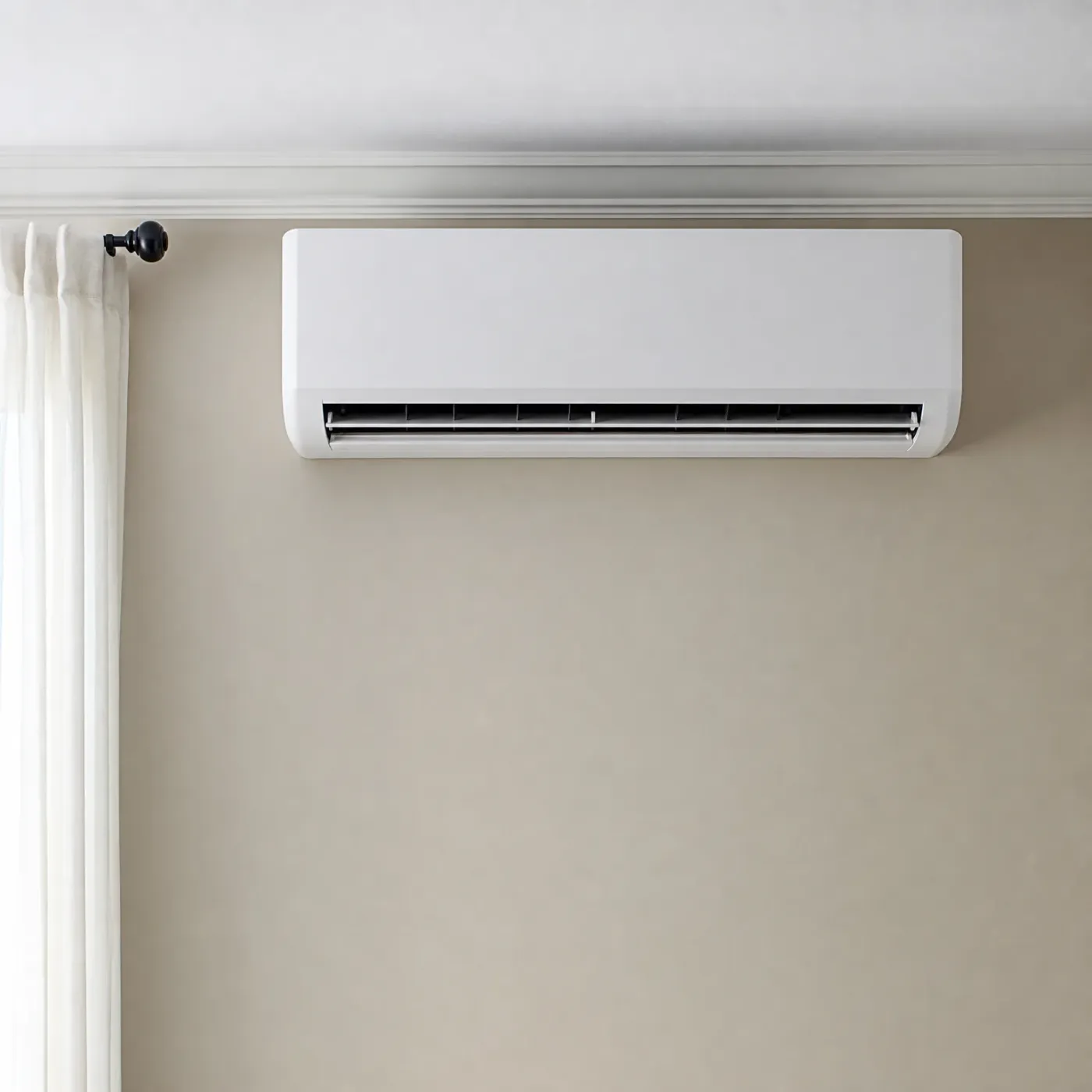
A white wall-mounted mini-split air conditioner installed high on a beige interior wall below crown molding, with a sheer white curtain on a dark rod at the left edge.
A mini split holding a steady temperature down to single digits, doing its job on a cold New Jersey night.
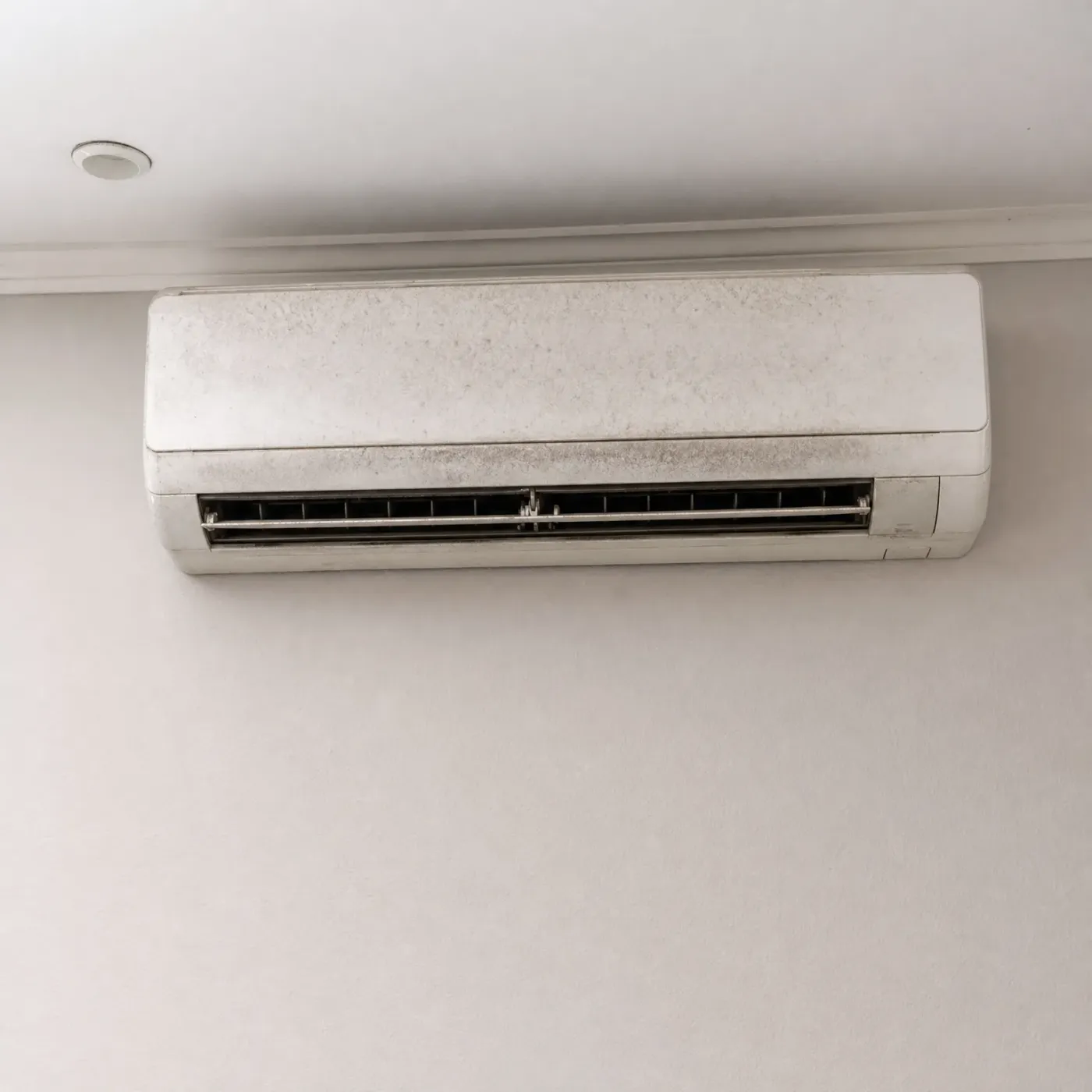
A dusty white wall-mounted mini-split air conditioner unit installed near the ceiling on a plain light-colored interior wall, with a small recessed ceiling fixture at upper left.
A mini split still running flat out below zero, pulling heat from air that barely has any to give.
A gray-haired, bearded man in a dark coat dusted with snow stands smiling in a dimly lit room with a lamp, mirror, framed art, and a sofa in the background.
An older man with white hair and a beard, wearing a dark snow-dusted coat and scarf, stands in a warmly lit interior hallway with a framed landscape picture, a table lamp and a potted plant behind him, and a snowy view through a window at left.
An older man in a dark snow-flecked overcoat and scarf stands smiling in a warmly lit home entryway, with a glass-paned door showing darkness outside and a lamp-lit room visible through a doorway behind him.
An older man with gray hair and a beard, wearing a dark snow-dusted jacket and scarf, stands smiling in a warmly lit interior hallway with a lit table lamp, a vase of dried branches, and a framed picture in the background.

Is your mini split keeping up tonight

On a hard freeze, check the air coming out of the indoor unit. If it feels lukewarm instead of warm, the outdoor unit is working but losing ground. You might notice the room never quite reaches the temperature on the thermostat, or it gets there and then slides back down an hour later. Outside, the outdoor unit may be running constantly, fan going, without cycling off the way it does on a milder day. If your home relies on the mini split alone in a room with no other heat source, a few days of this can mean an actual drop in comfort, not just a number on a display. Most New Jersey homes have a gas furnace to fall back on, but a room heated only by a mini split has nowhere else for that heat to come from.

A white wall-mounted mini-split indoor unit on a light gray interior wall, with a white curtain on a black rod at left and a leafy plant in the lower left corner.

Running on a cold night

Above 5 to 10 degrees, a mini split still pulls enough heat from the outside air to keep a room comfortable. The outdoor unit cycles steadily, and the air coming out of the indoor head feels warm, not lukewarm. This is normal operation on most New Jersey nights.


A wall-mounted white mini-split air conditioner indoor unit with visible dust and grime around its outlet vent, installed near the ceiling on a plain light-colored wall.

Falling behind in a hard freeze

Once temperatures drop well below that, a mini split without a cold-climate compressor can run constantly and still lose ground. Dust and grime on the vents make it worse, blocking airflow the unit needs most when it's already straining. A furnace or backup heat has to pick up the difference.

What temperature is too cold for a mini split to work

You've seen the number somewhere, maybe on the unit's spec sheet or from a contractor, and you want to know if it actually applies to a night like the one coming. New Jersey winters dip into single digits and sometimes below zero, and you want a real cutoff, not a vague answer about cold weather being hard on heat pumps.

Below 5 to 10 degrees, most mini splits stop keeping up on their own

There's no single number that applies to every unit, because it comes down to the compressor inside the outdoor unit. A standard compressor loses most of its heating ability by the time it hits 5 to 10 degrees. A cold-climate rated compressor, built with a larger range of operation, can keep pulling usable heat down to 0 or sometimes lower. Below whatever that unit's limit is, the refrigerant can't pull enough heat from the outside air no matter how long the compressor runs. On a night in the single digits, a standard mini split in New Jersey isn't broken. It's just past what its compressor can do, and a furnace or other backup heat needs to carry the rest.

A wall-mounted mini-split air conditioner indoor unit with visible dust and staining, installed on a beige interior wall below white crown molding.
Before you get your mini split installation
A white wall-mounted mini-split indoor unit high on a beige interior wall, with a potted olive-like tree at right and an armchair and window visible through a doorway at left.
After you get your mini split installation

Get the right pro for your mini split

Skip the round of in-home estimates for a new mini split.

There's no charge for the request.

A cold-climate mini split uses a compressor built to keep pulling heat at low temperatures, and most are rated to work down to around -13 degrees.

A standard mini split's compressor isn't built for that range, which is why a gas furnace or electric backup needs to carry the house once it gets cold enough.

Power costs 22.48 cents per kilowatt-hour statewide

At 22.48 cents per kilowatt-hour, every hour your mini split spends straining in the cold costs more here than almost anywhere else. A standard compressor working hard to keep up below 10 degrees pulls more power to deliver less heat, and that shows up fast on your bill. A cold-climate unit sized right for your house avoids that trade-off.

EIA-861 2025 statewide residential average

A white wall-mounted mini-split air conditioner near the ceiling of a beige interior corner, with a green houseplant and a curtained window at the lower left.

Relying on the mini split alone

Some homeowners try to run the mini split as the only heat source, even in January. On a mild stretch that works fine and the gas furnace barely kicks on. But once the temperature drops into single digits, a standard mini split starts losing ground, and the only backup is whatever the furnace can carry on its own. If the furnace isn't set up to take over automatically, you're the one who has to notice and switch it on.

A white wall-mounted mini-split air conditioner indoor unit on a plain light gray wall, positioned to the right of frame.

Pairing it with the furnace

Most homes here already heat with gas, so the furnace doesn't go away when a mini split comes in. Set up as a pair, the mini split carries the load on the nights it can handle and the furnace picks up when the outdoor unit starts to struggle. You're not choosing between the two. A contractor who installs the mini split with this in mind can set the handoff so it happens without you standing at the thermostat deciding.

Standard vs. cold-climate compressor

Standard compressor

  • Heat output falls off steadily as the temperature drops, and the drop isn't gradual once you're past the teens.
  • Below 5 to 10 degrees, it's running flat out and still losing ground to a cold room.
  • Pairing it with a gas furnace means the furnace carries the house on the coldest nights, which is how most New Jersey homes are already set up.
  • Costs less to install than a cold-climate unit, since the compressor itself is a simpler build.
  • On the mild stretches that make up most of the winter, it performs the same as a cold-climate model.

Cold-climate compressor

  • Built to keep pulling heat from outside air down to around -13 degrees, well past what New Jersey usually sees.
  • Keeps the air coming out of the indoor head warm instead of lukewarm on the nights that would stall a standard unit.
  • Can run as the main heat source through more of the winter without handing off to backup heat as early.
  • Costs more up front than a standard mini split because of the compressor it's built around.
  • Still benefits from a gas furnace or backup heat on the rare single-digit night, just needs it less often.
A woman wrapped in a cream textured blanket sits in an armchair beside a lit lamp and a dark window, with an open book in the foreground.
A bearded man in a blue and brown plaid flannel shirt stands indoors looking out a window at snow-covered trees, with a ceramic mug on the windowsill.
A woman stands in the open doorway of a white stucco house holding the dark door, facing a man in a black cap and shirt seen from behind in the blurred foreground, with a potted flowering plant beside the entry.

So how cold is too cold

A standard mini split starts giving up ground somewhere in the 20s and is struggling by the time it hits 5 to 10 degrees. A cold-climate model holds on much further down, close to -13 degrees. New Jersey winters touch single digits most years, so which one you have decides whether you need a gas furnace or backup heat standing by on the coldest nights.

If you're still deciding what to install, or wondering whether what's on your wall now is the right match for a New Jersey winter, that's a question worth getting right before the cold sets in rather than during it. Skip the trade-off between calling around to different installers and reading through quotes that use different terms for the same job. Answer a few questions about your place and get matched with a contractor who installs mini splits built for this climate, and they'll reach out to go over what your home actually needs.

Interior corner of a living room with a beige upholstered sofa and dark cushion in the foreground, a ceramic vase of leafy branches on a dark side table by a curtained window, a framed picture on the wall, and a wood-surround fireplace at right.
A dimly lit room with a dark gray wall holding a white wall-mounted mini-split air conditioner near the ceiling, with a sofa, table lamp, potted plant, and curtained window at left.

A pro who works on mini splits

Describe the project once instead of to every installer.

Step 1 of 3: Equipment