


Profile view of a bearded man wearing a dark baseball cap and a dark gray T-shirt against a plain off-white background.

Can a mini split heat a basement in a New Jersey winter

Step 1 of 3: Equipment

Can a mini split heat my basement in a New Jersey winter?

Basements run colder than the rest of the house once temperatures drop, and a mini split that keeps the upstairs comfortable might struggle to do the same job below grade. You want to know if the unit you have, or the one you're thinking about putting in, can actually carry a New Jersey basement through a January cold snap without you running a space heater next to it.

Yes, if it's sized and installed for the space

A mini split can heat a basement through a New Jersey winter, but the basement works against it in ways an upstairs room doesn't. The floor and walls sit against cold ground and concrete, pulling heat out faster than framed walls do, so the unit has to work harder to hold the same temperature. Most mini splits lose some heating output as the outdoor temperature drops into the teens and single digits, which New Jersey sees most winters. The ones built for cold climates keep working down to those temperatures without the output dropping off as sharply. Whether the basement stays warm comes down to whether the unit's size and type match what that room loses on the coldest nights, not just what it needs on a mild one.

A gray-haired man in a dark long-sleeve shirt sits on a gray sofa in a living room, looking toward a sunlit window with sheer curtains.
A gray-haired man in a dark green sweatshirt sits on a sofa in a living room, looking toward a bright window, with a houseplant, lamp, fireplace and framed art behind him.
A gray-haired bearded man in a dark green collared sweater sits on a sofa in a living room with a window, houseplant, floor lamp and bookshelves, looking off to the side.
A gray-haired man in a dark green sweater sits on a sofa in a sunlit living room, looking off to the side, with a framed landscape painting, dining table and shelving behind him.
A white wall-mounted mini-split indoor unit installed high on a gray interior wall, with a sofa, dark table and window visible in an adjoining room to the right.
A mini split sized and installed for the basement's heat loss keeps running steady through a New Jersey January without ever losing ground.
A wall-mounted mini-split air conditioner indoor unit with a dusty beige casing and dark louvered vent, installed near the ceiling on a plain beige wall.
A mini split picked for the wrong room, or placed where cold air pools near the slab, runs constantly and still leaves the basement cold.
  1. The outdoor unit pulls heat out of cold winter air.

  2. Refrigerant carries that heat inside through the line set.

  3. The indoor head in the basement releases the heat as warm air.

  4. A variable-speed compressor adjusts output as the basement loses or holds heat.

A dusty white wall-mounted mini-split air conditioner indoor unit with open louvers, installed near the ceiling on a plain light-colored wall.
Before you get your mini split installation
A white wall-mounted mini-split air conditioner unit high on a light gray interior wall, with a beige curtain and window at the left and wood-look flooring below.
After you get your mini split installation

What cold climate rated means

A mini split rated for cold climates keeps producing heat well below freezing, down to around negative 5 or negative 15 degrees Fahrenheit depending on the model. New Jersey winters run cold but rarely stay below zero for long, so a cold climate unit sized for your basement's heat loss has room to spare on the coldest nights. Standard mini splits lose capacity faster as the outdoor temperature drops and some stop producing useful heat well before zero. The difference shows up on the compressor spec sheet, not on the showroom model, which is why the install itself matters more than the brand name on the indoor head.

Why basement placement changes output

Cold air sinks, so a basement loses heat to the ground and through the foundation walls even when the rest of the house holds steady. An indoor head mounted where it can pull air from across the room, rather than tucked in a corner where cold air settles near the slab, reads the room's actual temperature and adjusts output accordingly. Put the same unit in the wrong spot and it cycles against a false reading, working harder for less heat. A contractor who does these installs through a New Jersey winter sees which basements hold heat and which don't, and places the head and line set accordingly before the first cold snap arrives.

Power costs 22.48 cents per kilowatt-hour statewide

At 22.48 cents per kilowatt-hour, running a mini split to heat a basement all winter shows up on your electric bill. A unit sized right for the space, installed by someone who accounts for the basement's heat loss, keeps that cost down. One that's undersized or poorly placed runs harder and longer to hold the same temperature, and you pay for every extra hour.

EIA-861 2025 statewide residential average

A white wall-mounted mini-split air conditioner installed near the ceiling on a plain beige interior wall.

Sized and installed right

The indoor head sits where it can actually reach the basement's corners, and the outdoor unit matches the space's heat loss. It cycles on, holds the room's temperature, and cycles off. Nothing runs harder than it has to, and the basement stays warm on the coldest night of the year.


A dusty, discolored wall-mounted mini-split air conditioner unit near the ceiling of a plain beige interior wall.

Picked or placed wrong

A unit too small for the basement, or hung where cold air pools near the slab, never catches up. It runs constantly, the casing shows it, and the room still feels a few degrees off. A licensed installer who works on these year-round in New Jersey basements catches this before it's installed, not after.

A middle-aged woman with shoulder-length dark hair, wearing a gray cardigan over a cream top, sits in an upholstered armchair and looks toward a sunlit window, with a shelf holding framed pictures and a plant behind her.
A woman with dark hair in a bun sits wrapped in a chunky knit blanket on a couch with a child resting his head on her shoulder, eyes closed, beside a lit lamp and bookshelf indoors.

Is your basement colder than the rest of the house right now

Walk downstairs on a January evening and check. If the basement needs a sweater the upstairs doesn't, the mini split down there is losing the fight with the cold coming through the slab and the foundation walls. You might notice the indoor head blowing air that doesn't feel very warm, or running nonstop without the room ever catching up. Some basements develop a damp, closed-in smell once the air stays cold enough for moisture to sit instead of drying out. Left alone through a full New Jersey winter, that combination of cold and damp gives mold a place to start, and it's harder to deal with than the heating problem that caused it.

A two-story house with cream horizontal siding, a dark gabled roof, and a white front door, fronted by a lawn, shrubs, and a concrete walkway leading to a sidewalk and street, with large leafy trees on both sides.

New Jersey summers average a dew point of 63°F across June, July and August, according to NOAA climate data. That's heavy, sticky air, and your mini split has to wring a lot of moisture out of it before the basement feels dry. A unit sized for heat loss in January but not matched to that summer humidity load will cool the space without taking the clamminess out of it, so the basement feels damp even when the thermostat reads where you set it. Getting the sizing right for both seasons isn't guesswork. A local installer who works on these systems through a full New Jersey year, summer humidity and winter cold both, knows what the basement actually needs and sets it up to handle both without you fielding quotes from half a dozen companies to find out who's right.

NASA POWER T2MDEW county cells weighted by homes

Explain it one time

One installer gets your project, so there's no bidding war over it.

It costs nothing to send, and you don't have to hire anyone.

A white wall-mounted mini-split air conditioner installed high on a beige interior wall near the ceiling molding, with a light curtain and curtain rod at the left edge.

A mini split that matches the basement

This is what a correctly sized head looks like running on a cold night. It holds the room at the temperature you set, cycling on and off like it should, without the casing working overtime or straining to keep up.

A wall-mounted mini-split air conditioner indoor unit with a discolored cream plastic casing and dusty outlet vanes, installed high on a plain light-colored interior wall near the ceiling.

A mini split that's been carrying too much load

Yellowed casing and dust buildup like this often mean a unit that's run harder and longer than it was meant to. Undersized for the basement or installed without accounting for heat loss, it never really gets ahead of the cold.

A closed dark laptop and a ceramic mug of coffee on a wooden dining table, with wooden chairs, a dark kitchen cabinet with cutting boards and a potted plant, and a leafy plant by a window in the background.

What an undersized unit costs you down there

If the mini split in your basement is undersized or was mounted somewhere the cold pools near the slab, you'll feel it before you see a bill for it. The far corner stays cool while the area right under the head feels fine. You end up running a space heater down there some nights because the mini split can't close the gap on its own, and that space heater costs you more than the mini split would running correctly.

Finding someone to size this right means calling around, explaining the basement's layout more than once, and comparing quotes from people who never saw the space. A local contractor who installs mini splits in New Jersey basements all winter has already seen what the slab does to heat loss in houses like yours, and sizes for it instead of guessing.

A dark ceramic mug on a round wooden table beside a light grey sofa with a woven cushion and knit throw, with a window, potted plant, floor lamp and wooden cabinet blurred in the background.
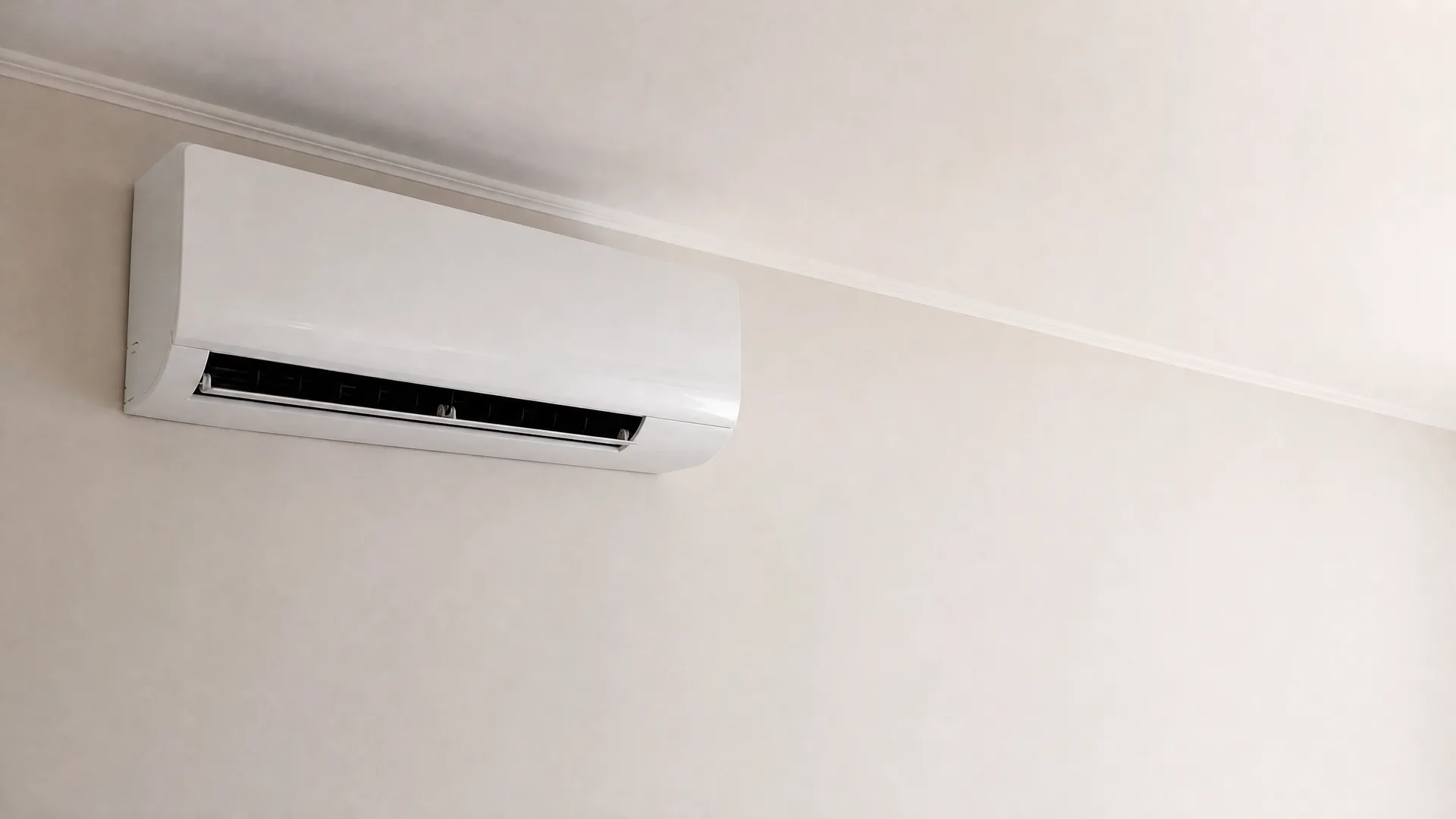
A white wall-mounted mini-split air conditioner indoor unit installed high on a plain beige wall near the ceiling.

Finding someone who knows basements

A basement install isn't the same job as mounting a head on an upstairs wall. The person doing it has to work out how much heat the space is actually losing through the slab and the walls below grade, then pick a unit and a spot for the indoor head that answers to that. Get that wrong and no amount of adjusting the thermostat fixes it. Get it right once and you stop thinking about it.

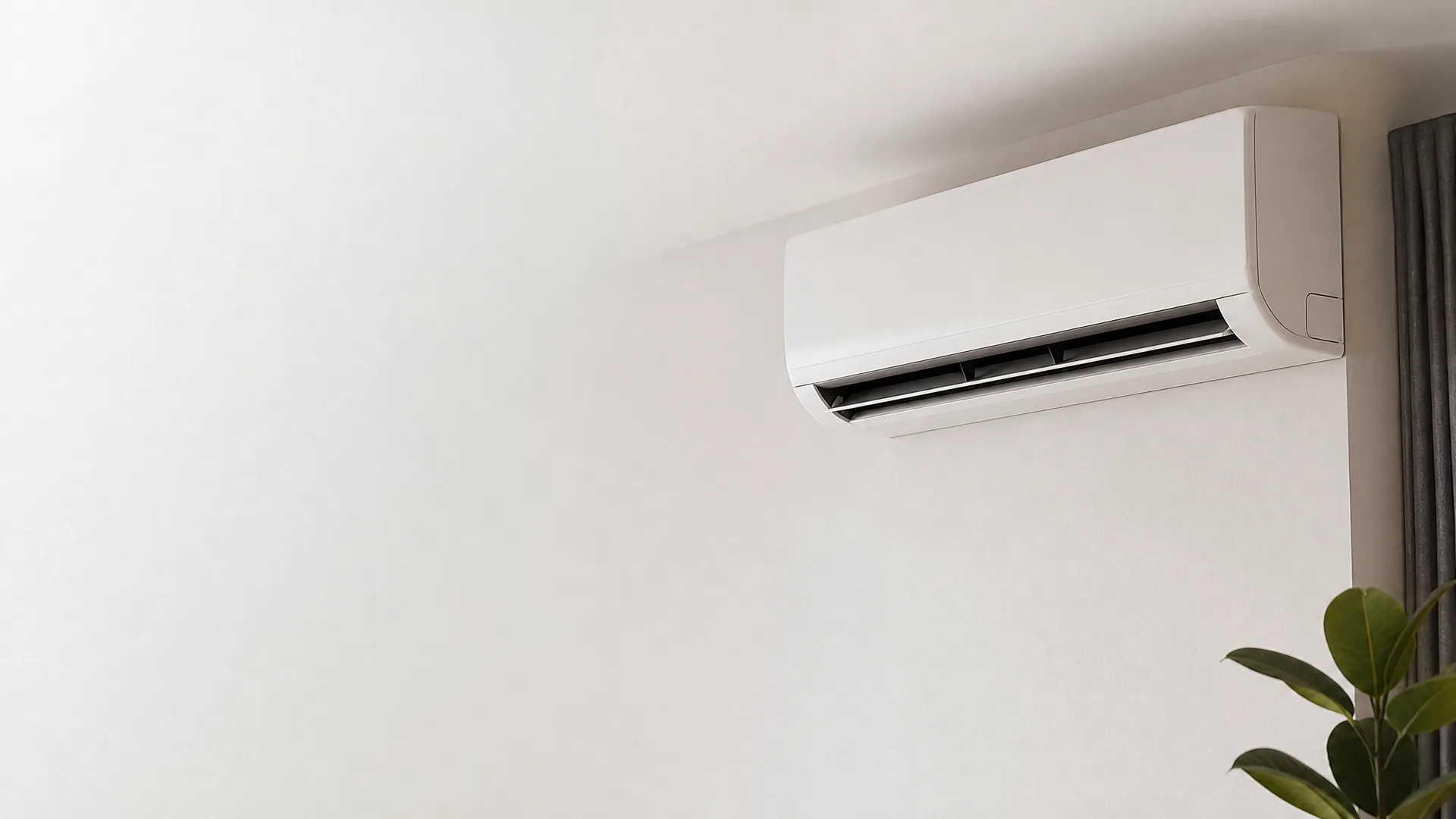
A white wall-mounted mini-split air conditioner unit near the ceiling of a plain white wall, with a gray curtain at the right edge and green plant leaves in the lower right corner.

Skip the round of calls

Instead of calling around New Jersey to find someone who's done basement installs before, explaining the same thing to each one, then sitting with a stack of quotes trying to tell them apart, you get matched with one licensed local contractor who works on this equipment all winter and knows which basements fight back. One call, one answer, and you're not stuck sorting through bids from companies you've never heard of.

A mini split can heat a New Jersey basement through the winter, as long as it was sized for what that room actually loses to the slab and the walls below grade, and set where the cold air collects instead of somewhere convenient. That's the whole answer. Get the sizing and the placement right and the unit holds its temperature on the coldest nights without strain. Get either one wrong and you're paying to run a machine that never quite wins. This is a basement job, not a standard wall-mount job, and it goes to someone local who works on these systems in houses like yours every winter and knows where a basement install usually goes wrong. You'll hear from that one contractor directly, not a handful of companies competing for your callback, and you won't need to explain your basement's layout more than once to get a straight answer about what it needs.

A dark standing-seam metal roof with a stone chimney and metal cap, seen against a backdrop of autumn-colored forest and layered hills under an overcast sky.

No quotes to chase

Skip calling around

No charge to send it. You decide if you hire them.

One call to a licensed New Jersey installer who handles basement mini splits every winter beats sorting through quotes from companies that mostly hang heads upstairs. You explain the basement once, to someone who already knows what fails down there.