

Running the way it should
A mini split that's sized and set up right keeps one room even, no hot corner by the window, no cold spot under the unit. It cycles on and off on its own and you stop thinking about that room at all.
A mini split works alongside your furnace instead of replacing it. Most New Jersey homes install one to cool and heat a room the ductwork doesn't reach well, like a finished attic, a sunroom, or an addition built after the furnace went in. The mini split handles that room on its own, with its own thermostat, while the furnace keeps running the rest of the house. In summer it covers the muggy months without forcing your central air to work harder on a room it was never sized for. In winter it can take some of the load off the furnace on milder days, which matters here since gas heats most homes but the mini split itself runs on electricity. The installer runs a small line set through an exterior wall to an outdoor unit, and the indoor head mounts high on the wall or ceiling of that one room.

A mini split that's sized and set up right keeps one room even, no hot corner by the window, no cold spot under the unit. It cycles on and off on its own and you stop thinking about that room at all.

Dust on top and dark residue around the vents usually means the filter hasn't been cleaned in a while. Left alone, the unit works harder to move air, the room stops holding its temperature, and whatever's building up around the coil only gets worse.
You have gas heat already, and now you're looking at a mini split for a room the furnace doesn't handle well. It's natural to wonder if the two fight each other, or if the mini split just sits there most of the year doing nothing. The honest answer has to do with how each system actually calls for heat and cold, not just where they're installed.
Your furnace has one thermostat for the ducted part of the house. The mini split has its own, usually on the indoor unit itself or a small remote. Each one only reacts to the temperature in the space it's measuring. The furnace doesn't know the mini split is running, and the mini split doesn't know the furnace is running. In winter, most owners use the mini split's heat function for that one room and let the furnace carry the rest of the house, since a room added after the furnace went in often has no duct feeding it at all. In summer, the mini split handles the cooling for that room on its own, which matters here given how sticky New Jersey summers get.
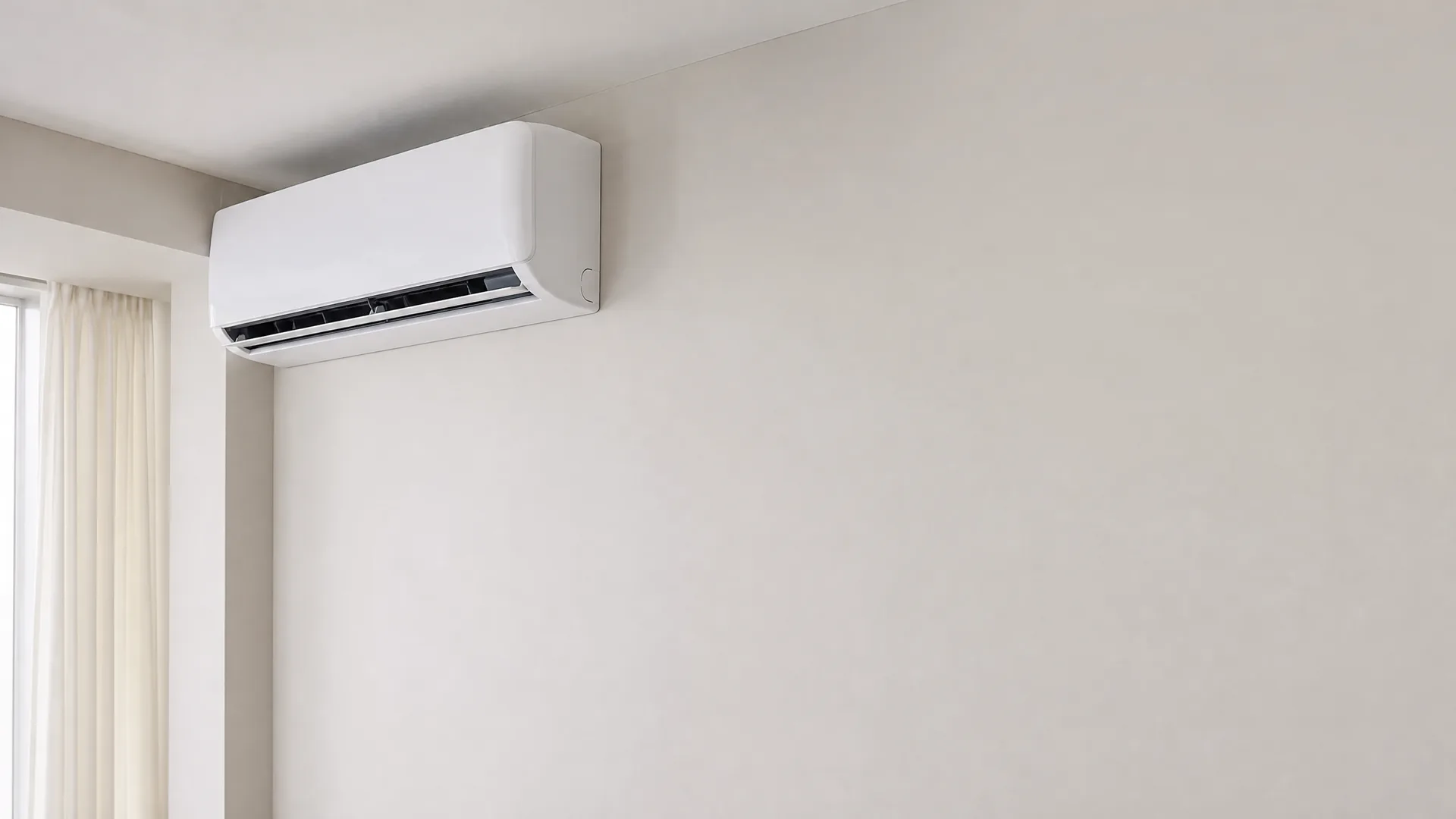
The indoor unit connects to the outdoor compressor through a small set of refrigerant lines and a power wire, bundled together and run through one hole in the wall, usually three inches across or less. That's the whole connection between the two. No ductwork, no tie-in to the furnace or its vents. The outdoor unit sits on a pad or bracket near where the line comes through, close enough to keep the run short.
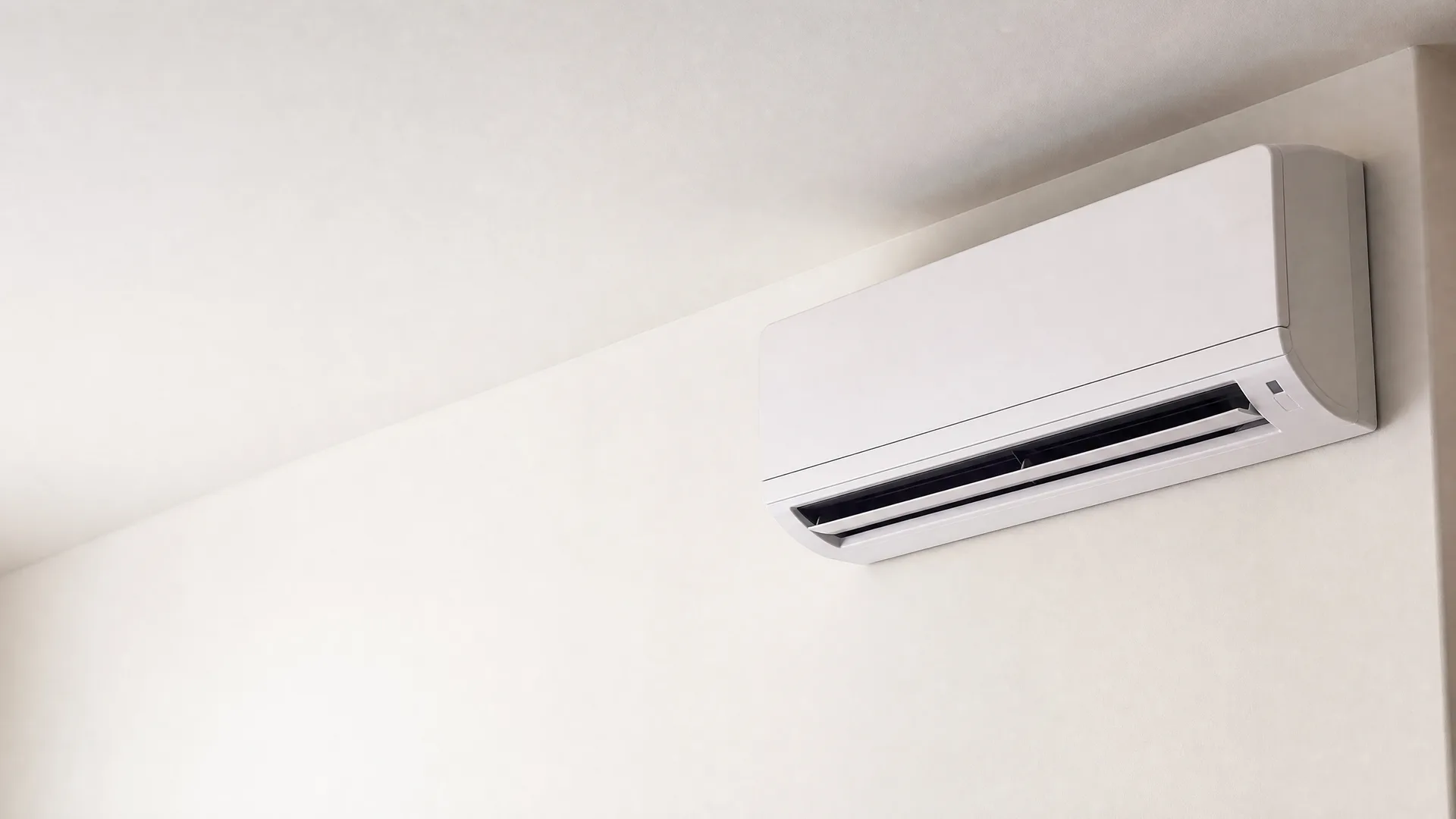
A mini split's outdoor compressor adjusts its speed to match the room instead of switching fully on and off like a window unit. Once the room hits the temperature you set, it drops to a low hum, using a fraction of the power it took to get there. On a muggy New Jersey afternoon that means it keeps pulling moisture out of the air in that room without running hard all day.
You already know which room it is. The sunroom that bakes by afternoon in July and never quite catches up once the furnace kicks off in the winter. The bonus room over the garage where the register barely pushes air. Maybe you've run a window unit in there for years, propped in the sash, dripping onto the sill, loud enough that nobody wants to sit in there with the TV on. Or you've closed the door on it altogether and just stopped using the space from June through September. A mini split is what fixes that room specifically, without touching the ductwork or the furnace that's already handling the rest of the house fine.




Your request stays with one local pro.
Sending the form costs nothing.
Summer is when most people call, because the room has gone from uncomfortable to unbearable and they want it fixed before the next heat wave. A contractor can still mount the outdoor unit, run the line set through the wall, and have the indoor head blowing cold air the same day in most cases. The tradeoff is scheduling. Everyone else in New Jersey is calling for the same reason at the same time, so the sooner you start, the sooner you get a date on the calendar.
Installing a mini split in October or November means the room is ready before the cold sets in, and the crew isn't squeezed between three other jobs that day. The work itself doesn't change with the season. The line set still runs through the same size hole, the outdoor unit still needs the same clearance, and the electrical hookup is the same whether it's 40 degrees or 90. What changes is how fast you need it done. If the room in question is a problem in winter too, a fall install means you get a full heating season out of it before summer even arrives.


At 22.48 cents a kilowatt-hour, that extra room adds up fast if the mini split is working harder than it should. One sized right for the space keeps the bill reasonable. One that's too big or too small for the room will run longer or cycle more than it needs to, and you pay for that every month.
EIA-861 2025 statewide residential average


A mini split answers a simple problem: one room your furnace never quite reaches. It doesn't touch your ductwork or replace your gas heat. It just takes over the room that's been too hot in July and too cold in January, and it does that through one small hole in the wall, not a renovation. Getting the size right matters more than most people expect. Too big for the room and it short cycles, never running long enough to settle. Too small and it runs constantly trying to catch up. Either way, at what New Jersey pays per kilowatt-hour, that shows up on the bill. Sized correctly, it just holds the room steady and you stop thinking about it, which is the whole point of adding one in the first place. Timing is flexible. Most calls come in summer when the room has become unbearable, but the outdoor unit and line set go in just as well during the colder months, so you're not stuck waiting for warm weather to get it done. When you send the request, it goes to one contractor, someone local who installs this equipment in homes like yours all year and already knows which sizing mistakes cause the hot corners and cold spots you're trying to fix. Not a handful of companies calling you back at once. Just the one who's set up to get your room right.





Your request goes to one pro, not a list of companies.
You're not committing to anything by asking.
